Most people picture tooth damage as something dramatic: a hard fall, a piece of candy gone wrong, or years of skipped checkups. In reality, a lot of the harm happens quietly, built up from small habits repeated every day. You brush, you floss most of the time, and you still end up with a chipped tooth or sensitive gums, wondering what went wrong.
These patterns show up again and again in daily practice. As a saginaw dentist office that sees patients every week, we notice the same patterns over and over. The good news is that once you know what to look for, most of these habits are easy to fix. Let’s walk through ten of the most common ones, and what you can do instead.
Why Small Habits Add Up to Big Problems
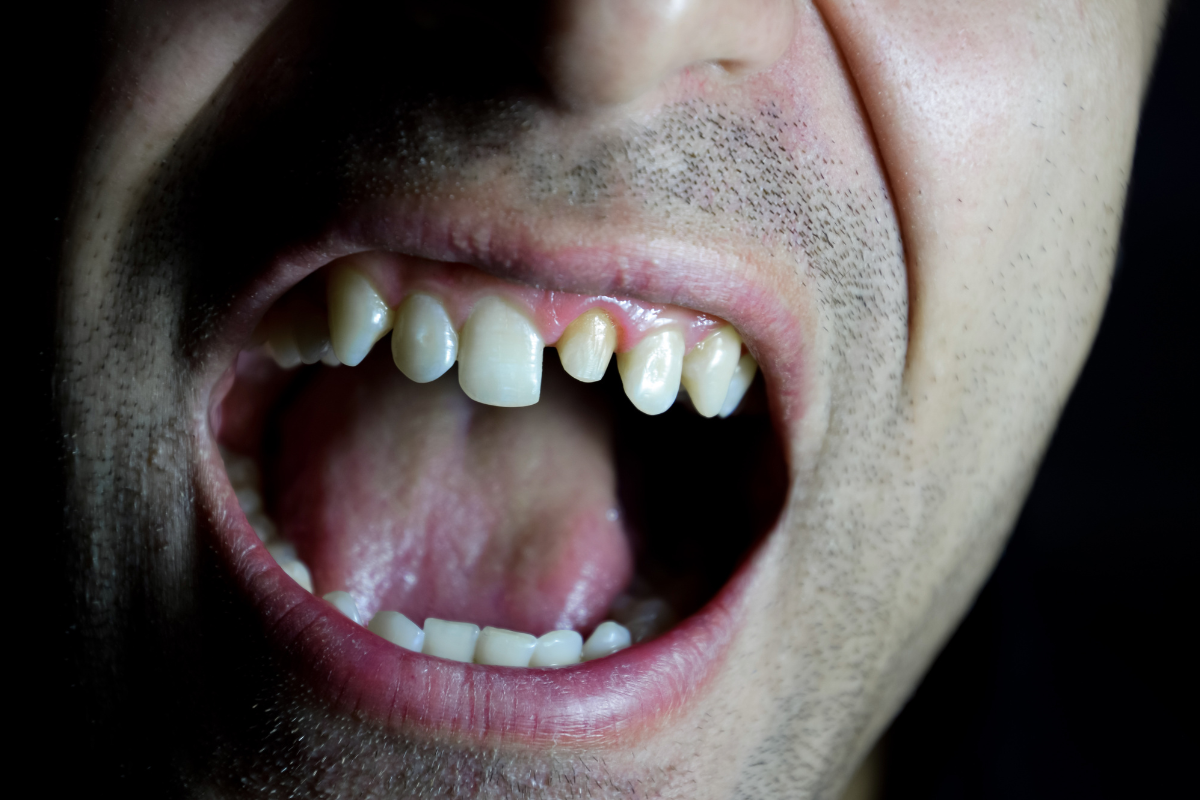
Teeth are strong, but they are not indestructible. Enamel, the hard outer layer that protects each tooth, wears down slowly over years of pressure and acid. Any dentist in Saginaw treating patients regularly will tell you that most enamel damage builds up quietly long before it causes pain. Enamel does not grow back once it is gone, so small daily habits, repeated thousands of times, can do more damage than a single accident.
1. Brushing Too Hard
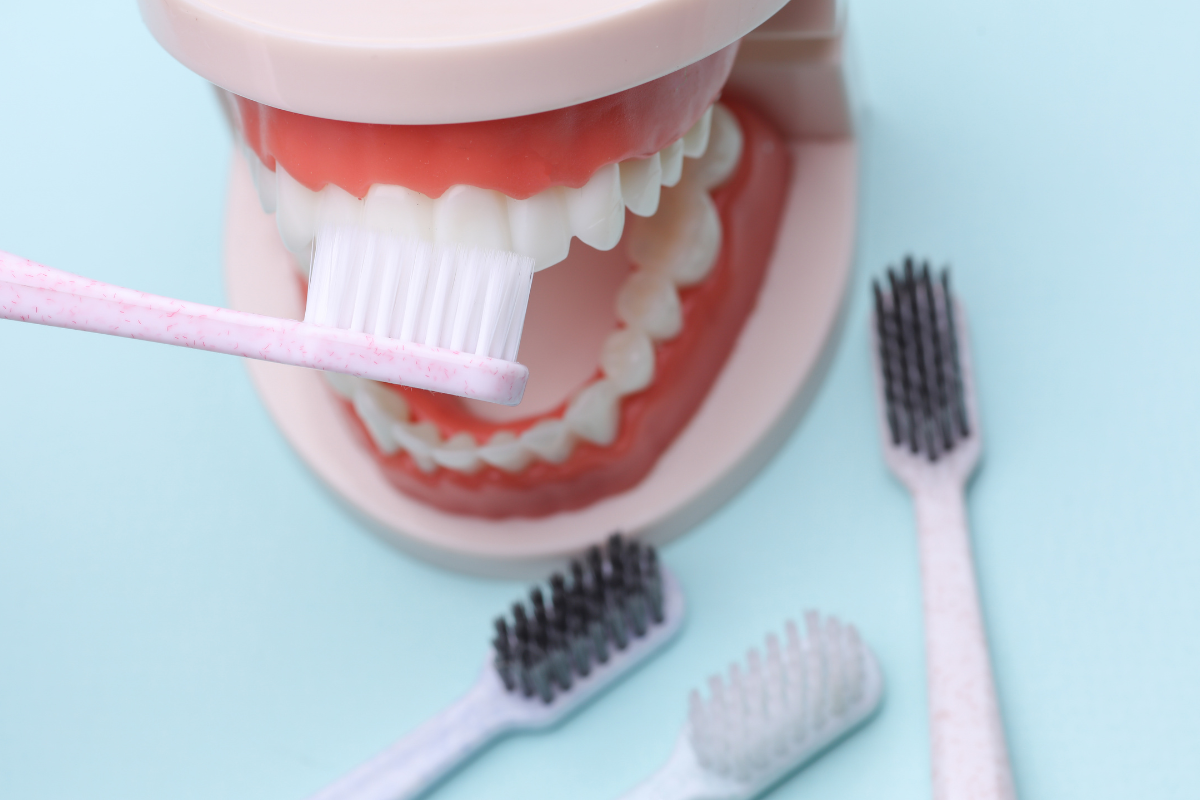
More pressure does not mean cleaner teeth. Scrubbing hard with a stiff bristled brush wears away enamel and can push your gums back, exposing the sensitive root underneath. Over time this leads to sensitivity, especially with hot or cold foods.
What to do instead: Use a soft bristled brush and let the bristles do the work. Light, circular motions clean just as well without the wear and tear.
2. Using Your Teeth as Tools
Opening a bag of chips, ripping tape, or cracking a bottle cap with your teeth feels convenient. It also puts sudden, uneven force on a tooth that was never built for that job. Cracks from this kind of stress do not always show up right away, they can sit quietly until the tooth finally gives out.
What to do instead: Keep scissors or a bottle opener nearby. It takes a few extra seconds and saves you a much bigger repair down the road.
3. Chewing Ice
Ice feels harmless because it is just frozen water, but biting down on it puts real stress on tooth enamel. This habit is one of the more common causes of small cracks and chipped edges that we see in the chair.
What to do instead: Let ice melt in your drink or swap it for a slower sip. Your teeth will thank you.
4. Grinding or Clenching at Night
Many people grind their teeth in their sleep without knowing it. This habit, called bruxism, flattens teeth over time and can lead to jaw pain, headaches, and cracked teeth.
What to do instead: A custom night guard can protect your teeth while you sleep. If you wake up with a sore jaw or notice worn down edges, it is worth asking about at your next visit.
5. Sipping Sugary or Acidic Drinks All Day
A soda with lunch is one thing. Sipping soda, sports drinks, or sugary coffee throughout the day is another, since every sip resets the acid attack on your enamel and gives your mouth less time to recover.
What to do instead: Drink water between sips, or finish a beverage in one sitting rather than stretching it out for hours.
6. Skipping Flossing
Brushing cleans about sixty percent of your tooth surface. The rest, the spaces between teeth, only get cleaned with floss, and skipping it lets plaque build up in places a toothbrush cannot reach.
What to do instead: Floss once a day, any time that fits your routine. Consistency matters more than timing.
7. Using Whitening Products Too Often
A brighter smile is a nice goal, but overusing whitening strips or harsh whitening toothpaste can wear down enamel and increase sensitivity. More is not always better here.
What to do instead: Follow product directions closely, or ask your dentist about a professional option that is monitored and controlled.
8. Nail Biting
This one seems harmless, but repeated nail biting puts small, sharp forces on your front teeth. Patients rarely connect this habit to their dental visits until a saginaw dentist points out the small chips forming along the front teeth during a routine exam. Over months and years, this small habit can chip edges and even shift tooth alignment slightly.
What to do instead: Keep nails trimmed short so there is less to bite, and try a stress ball or fidget tool for the moments when the urge shows up.
9. Brushing Right After Eating Acidic Foods
Brushing feels like the responsible move after a meal, but if you just ate something acidic, like citrus fruit or a vinegar based dressing, your enamel is temporarily softened and brushing right away can scrub it away.
What to do instead: Rinse with water first and wait about thirty minutes before brushing.
10. Putting Off Dental Visits
This is the habit that lets every other habit on this list quietly get worse. Small issues like a hairline crack or early gum inflammation are easy to treat early and much harder to fix once they grow.
What to do instead: Stick to checkups every six months, even when nothing seems wrong. Prevention is far simpler than repair.
How These Habits Compare
Some habits do more damage, faster, than others.
| Habit | Main Risk | How Fast Damage Builds |
| Chewing ice | Chips, cracks | Fast, can happen in one bite |
| Grinding at night | Flattened teeth, jaw pain | Slow, builds over months |
| Sipping sugary drinks | Cavities, enamel erosion | Gradual, adds up daily |
| Skipping flossing | Gum disease, cavities | Slow, but steady |
| Putting off visits | Small issues becoming big ones | Slow, but compounds over time |
Looking at this table, some habits cause sudden damage while others chip away quietly. Either way, catching them early makes the difference.
Know Our Dentists
Behind this advice is a team that has treated exactly these kinds of everyday problems for years. Here is who takes care of patients at Smith Family Dentistry.
Dr. Curtis E. Smith, DDS, graduated from the University of Detroit Mercy School of Dentistry in 2001 and came back to his hometown of Saginaw to build his career. He works across restorative, cosmetic, and emergency dentistry, and has served on the boards of both the Saginaw Valley District Dental Society and the Saginaw County Dental Society. He has also traveled on dental mission trips worldwide and enjoys mentoring dental students.
Dr. Molly McKenzie, DDS, grew up in the Keweenaw Peninsula and studied at Michigan Technological University before earning her dental degree from the University of Michigan School of Dentistry. Her training spans general dentistry, periodontics, oral surgery, and pediatric care. Outside the office, she enjoys bicycling, CrossFit, and exploring the outdoors near Lake Huron.
Between the two of them, patients get a mix of long standing local experience and fresh, current training.
Our Patients Review
Reviews from real patients tell the story better than any marketing copy can.
“Memorial Day weekend 2024, my son had some tooth/gum pain that had progressively gotten worse to the point of extreme pain Sunday night. He and I were up most of the night and I found myself from 4-8am desperately searching online and calling around for Emergency Dental Care anywhere in Michigan that may have been open in case I wasn’t able to get ahold of our regular Dentist, Dr. Smith, who we always have loved! Shortly after the clock struck 8:00am I made a call to Dr. Smith. I absolutely cannot recommend him enough to anyone and everyone! He answered right away. He listened to me through my shaky voice as I was really worried and tearful and talked me through what was likely going on with my poor kiddo. (Of course, he was spot on.) It was 8:15am and he asked me if I could be to his office at 9:00am. Admittedly, I was pleasantly shocked that he was willing, available and wanting to come in on a much deserved day off! I, of course, said absolutely we will see you there then and thanked him so much. We got there at about 8:50am and he pulled in shortly after. My son was in that chair just 45 short minutes since that phone call. Dr. Smith found one of his upper back baby teeth to have a dead nerve, which caused an abscess. He walked us through everything with such kindness and compassion and got the tooth out with such precision and obvious talent for his specialty. He made sure my son was comfortable the entire time, asking him what music he wanted to listen to and everything. I walked out of there almost speechless at what just happened and will always be forever grateful. Dr. Smith even contacted me later this afternoon to check on him. How amazing is that?! If you are looking for a Dentist in Saginaw, I would absolutely go there. His staff and Hygienists are ALWAYS so nice, also, we’ve been going there for over a few years now. I also have several friends and family members who go there and have absolutely nothing but great things to say about Dr. Smith and his entire staff as well! We are SO thankful for a place that truly cares, listens, is professional and courteous and of course there for us at our worst and scariest moments! If I could give a million stars for this review, I would! 👏🏻”
★★★★★ — (Melissa T.)
Feedback like this reflects the kind of patient, honest approach our team brings to everyday checkups, not just the bigger procedures.
Getting Local Support for Better Habits
Habits are personal, and so is the advice that fixes them. If you grind your teeth from stress, chew ice out of habit, or have not been in for a checkup in a while, a dentist in Saginaw who knows your history can spot patterns that are easy to miss on your own. Outside resources help too. For general guidance on daily oral care, the American Dental Association publishes plain language tips at ada.org, and the Centers for Disease Control and Prevention shares research backed oral health information at cdc.gov.
Small Changes, Real Results
None of these ten habits require a total overhaul of your life. Most just need a small swap, a different drink choice, a night guard, scissors instead of teeth, or a reminder to floss before bed. As a saginaw dentist team that sees the long term effects of these small choices, we would rather help you catch a habit early than treat a bigger problem later. That approach saves patients both money and worry down the road.
Ready to Protect Your Smile?
If any of these habits sound familiar, you do not need to wait for pain to show up before doing something about it. Smith Family Dentistry has served the Saginaw community since 1980, and our team is ready to take a look, answer your questions, and help you build habits that protect your smile for the long run.
As your local saginaw dentist, we make it simple to get started, whether you are due for a checkup or just want a second opinion on something you noticed. Working with a dentist in saginaw you trust means catching these small habits before they turn into bigger, costlier problems. Visit our services page to see everything we offer, or head to our contact page today.
Frequently Asked Questions
1. How can I tell if I grind my teeth at night?
Common signs include waking up with a sore jaw, headaches in the morning, or noticing flattened or worn edges on your teeth. A partner may also mention hearing grinding sounds while you sleep.
2. Is chewing ice really that bad for my teeth?
Yes. Ice is very hard, and biting down on it can cause small cracks or chips, especially in teeth that already have fillings or weak spots.
3. How often should I really be flossing?
Once a day is enough for most people. What matters more than timing is doing it consistently, since plaque needs regular removal to avoid turning into a bigger problem.
4. Can whitening products actually damage enamel?
Overusing strong whitening products can increase sensitivity and wear down enamel over time. Following the directions closely, or using a professionally monitored option, keeps this risk low.
5. What is the best way to break a nail biting habit?
Keeping nails trimmed short reduces the urge, and having something else to do with your hands, like a fidget tool, can help redirect the habit during stressful moments.
6. Does sipping soda all day really cause more damage than drinking it quickly?
Yes. Each sip restarts the acid exposure on your teeth, so spreading a sugary drink out over hours gives your enamel less time to recover than finishing it in one sitting.
7. How soon after eating should I brush my teeth?
Wait about thirty minutes, especially after acidic foods, since enamel is temporarily softened right after eating and brushing too soon can wear it down further.
8. What happens if I keep putting off my dental checkups?
Small issues like early gum inflammation or a tiny crack tend to grow quietly without symptoms, which means they often become bigger, more costly problems by the time they finally cause pain.