Is Your Child’s Teeth Becoming Yellow? Know What To Do

Is Your Child’s Teeth Becoming Yellow? Know What To Do
As a parent, noticing your child’s teeth becoming yellow can be concerning. While baby teeth are naturally whiter, a yellowish tint can sometimes develop due to various reasons. Understanding the causes and knowing what steps to take can help you ensure your child maintains a healthy, bright smile. Causes of Yellow Teeth in Children There are several reasons why your
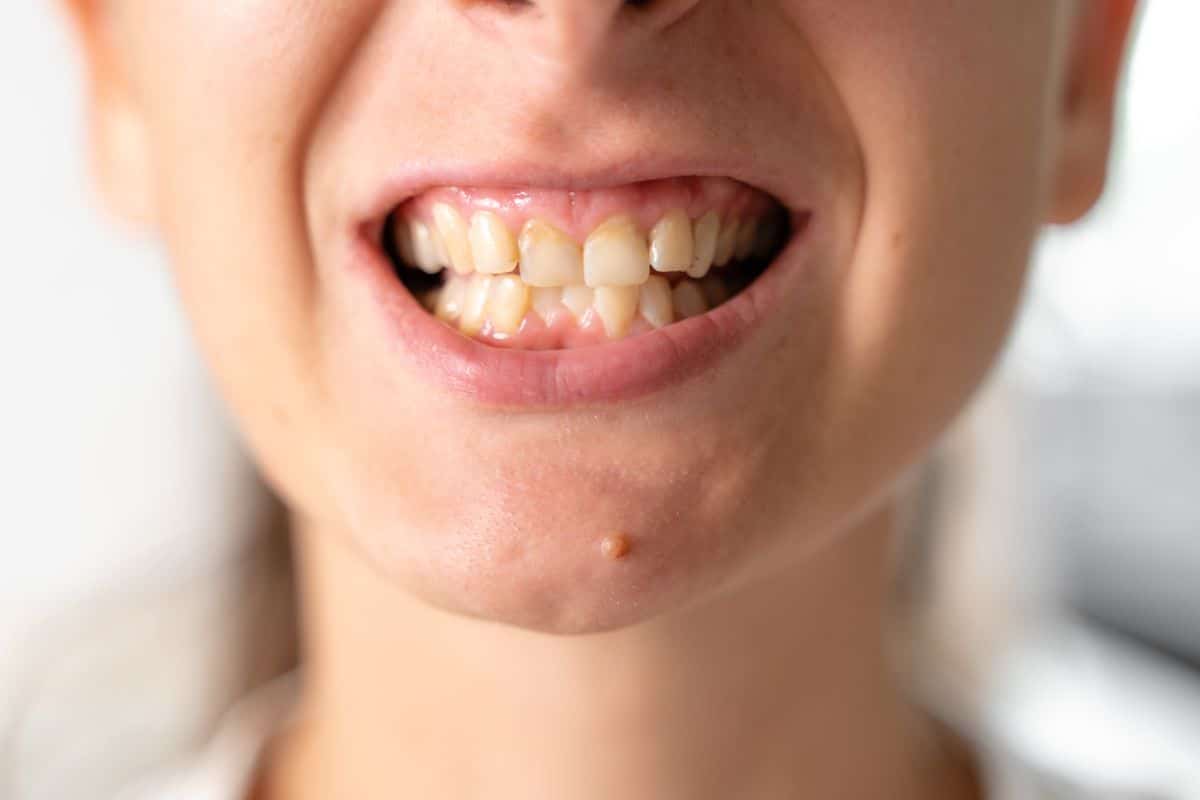
As a parent, noticing your child’s teeth becoming yellow can be concerning. While baby teeth are naturally whiter, a yellowish tint can sometimes develop due to various reasons. Understanding the causes and knowing what steps to take can help you ensure your child maintains a healthy, bright smile.
Causes of Yellow Teeth in Children
There are several reasons why your child’s teeth might be turning yellow. Some of these causes are common and easily manageable, while others may require more attention. Here are the primary reasons:
1. Dietary Habits
Certain foods and beverages can cause staining on teeth, even in children. Foods like berries, tomato-based sauces, and drinks like soda or fruit juices can leave stains on the enamel. Over time, these stains can accumulate, leading to a yellowish appearance.
2. Poor Oral Hygiene
Inadequate brushing and flossing can lead to plaque buildup on teeth. Plaque is a sticky film of bacteria that not only leads to cavities but can also cause teeth to appear yellow. If your child isn’t brushing properly, plaque can harden into tartar, which is even more difficult to remove and can further discolor teeth.
3. Fluorosis
Fluorosis occurs when a child ingests too much fluoride during the years when their teeth are developing. This condition can lead to white spots or streaks on the teeth, but in more severe cases, it can cause a yellow or brown discoloration.
4. Medications
Certain medications can also cause yellowing of teeth. For instance, if a child takes tetracycline antibiotics before the age of eight, it can result in intrinsic staining of the teeth.
5. Genetics
Sometimes, genetics play a role in the color of a child’s teeth. If you or other family members have naturally yellowish teeth, it’s possible that your child might inherit this trait.
6. Injury or Trauma
An injury to a tooth can cause it to turn yellow or grayish. This happens because the nerve inside the tooth becomes damaged, leading to a change in color.
Steps to Take When Your Child’s Teeth Are Yellowing
If you’ve noticed that your child’s teeth are becoming yellow, there are several steps you can take to address the issue:
1. Improve Oral Hygiene Practices
The first and most important step is to ensure your child is brushing and flossing properly. Encourage them to brush at least twice a day with fluoride toothpaste and to floss daily to remove plaque between the teeth. Make brushing fun by choosing a toothbrush with their favorite character or a flavored toothpaste they enjoy. You can also brush together as a family to set a good example.
2. Monitor Their Diet
Pay attention to the foods and drinks your child consumes. Limiting foods and beverages that are known to cause staining can help prevent further yellowing. Encourage them to drink water after meals to help rinse away any staining agents from their teeth.
3. Regular Dental Check-ups
Regular visits to the dentist are crucial for maintaining your child’s oral health. A dentist can clean your child’s teeth professionally, removing plaque and tartar that regular brushing might miss. They can also assess the cause of the yellowing and provide personalized advice on how to address it.
4. Use Whitening Toothpaste (With Caution)
For older children, you might consider using a whitening toothpaste. However, it’s important to consult with your dentist before using any whitening products, especially on young children, to ensure it’s safe for their developing teeth.
5. Consider Professional Whitening Treatments
If the yellowing persists and is a significant concern, professional whitening treatments might be an option as your child gets older. Again, this should only be done under the guidance of a dentist to ensure it’s appropriate for your child’s teeth.
6. Educate on Fluoride Use
While fluoride is important for preventing cavities, too much can lead to fluorosis. Make sure your child is using the correct amount of fluoride toothpaste—about the size of a grain of rice for children under three, and a pea-sized amount for those aged three to six. If your water supply is fluoridated, avoid giving your child additional fluoride supplements unless recommended by a dentist.
7. Address Underlying Health Issues
If the yellowing is due to medication or an underlying health issue, speak with your child’s doctor or dentist. They can help you understand the best course of action, whether it’s adjusting the medication or treating the health condition.
Preventing Yellow Teeth in Children
Prevention is always better than treatment. To keep your child’s teeth white and healthy, consider these preventive measures:
- Encourage regular brushing and flossing to maintain good oral hygiene.
- Limit foods and drinks that are known to stain teeth.
- Regular dental visits are essential to monitor and maintain your child’s oral health.
- Educate your child about the importance of dental care and healthy eating habits to protect their teeth.
Final Thoughts
Yellow teeth in children can be concerning, but with proper care and attention, you can help
your child maintain a bright, healthy smile. Whether it’s improving their oral hygiene, monitoring their diet, or seeking professional advice, taking these steps can make a significant difference.
At Smith Family Dentistry, we understand the importance of a healthy smile for your child. Our team is here to provide personalized care and guidance to ensure your child’s teeth stay healthy and bright. If you have concerns about your child’s teeth consult with our kid friendly dentist in Saginaw. Schedule an appointment today to take the first step toward a brighter smile for your child!