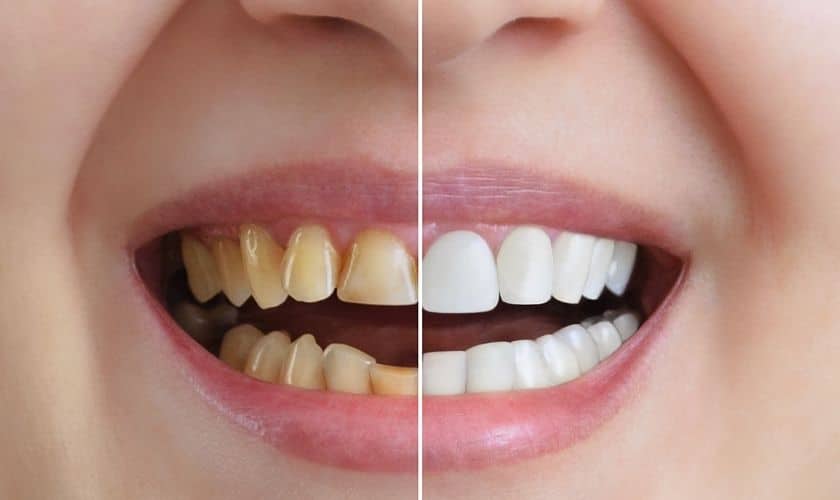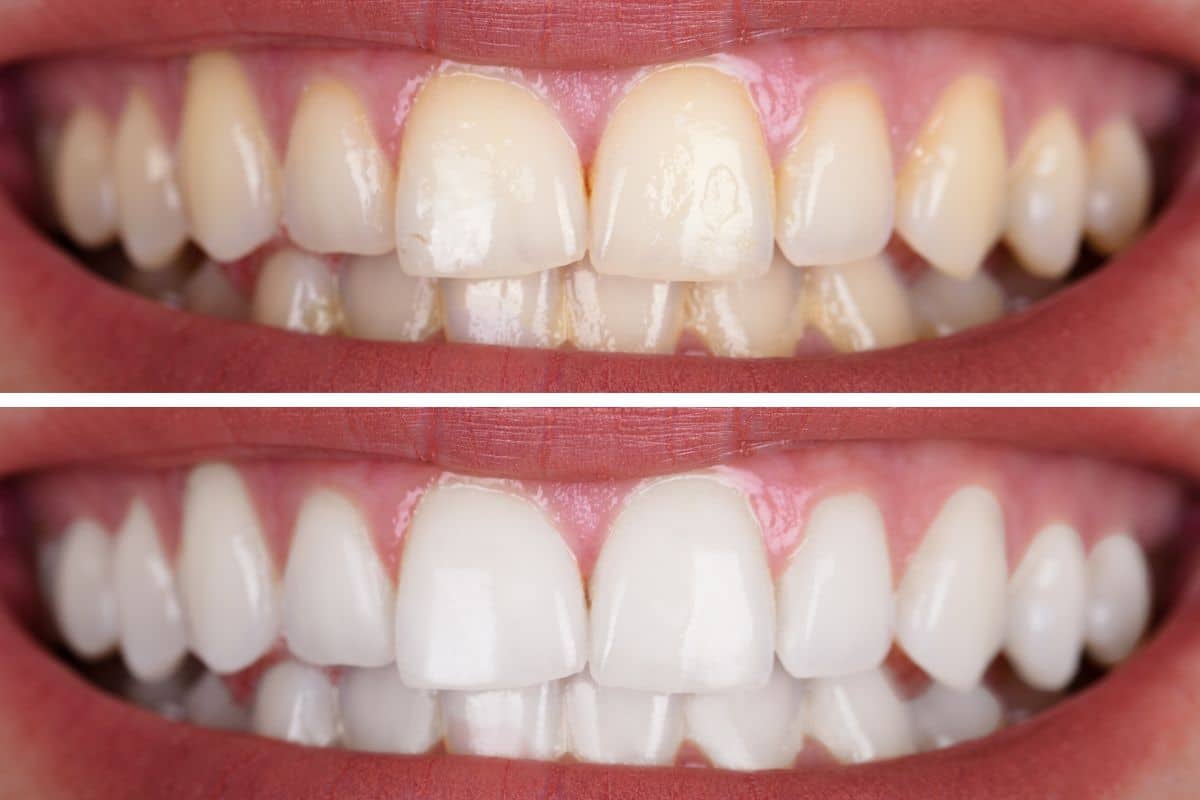
If you have ever held a box of whitening strips and wondered if they might hurt your teeth, you are asking a fair question. At Smith Family Dentistry, this comes up almost every week. As our team dentist in saginaw hears it from patients who want brighter teeth before a wedding, and from patients who just want to feel good about their smile again. Either way, the worry is the same: will this treatment eat away at my enamel?
The short answer is no, not when it is done the right way. But there is more to the story, and it helps to understand what is really going on inside your mouth before you start.
How the Whitening Process Actually Works
Bleaching products use peroxide, either hydrogen peroxide or carbamide peroxide, to break apart stain particles that sit inside the enamel layer. This is a chemical reaction, not a scraping or grinding action. As the stain molecules break down, they reflect less color and your teeth look lighter.
You have a few ways to get this done:
- In-office treatment. Your dentist applies a stronger gel and gets faster results in one visit.
- Custom take-home trays. Your dentist fits you with trays and a gel you use at home over one or two weeks.
- Store shelf strips and gels. These use the weakest strength and take the longest to show change.
So What Happens to Your Enamel?
Here is the plain truth: bleaching does not dissolve or wear away enamel when it is used the way it is meant to be used. That old idea keeps floating around online, but the chemistry does not back it up.
Still, this does not mean there is zero risk if someone gets careless. A few things matter:
It does not scrub anything away
The gel breaks down stains through a chemical reaction, not friction. That is very different from a gritty whitening toothpaste, which can wear down enamel over years of daily use.
Sensitivity is not the same as harm
Many people feel a quick zing of sensitivity during or right after a session. Peroxide can pass through the enamel for a short time and reach the dentin layer, where the nerve sits close by. It feels uncomfortable, but it almost always fades in a day or two and does not mean anything got damaged.
Trouble shows up with overuse
Enamel does not grow back once it wears down. Leaving strips on longer than the box says, or bleaching more often than needed, is where people run into real problems.
Product quality matters
Kits carrying the ADA Seal of Acceptance have gone through safety testing. Random off-brand kits with no oversight are a bigger gamble for your mouth.
According to the American Dental Association’s MouthHealthy resource, the bigger threat to enamel actually comes from DIY tricks like lemon juice rinses or baking soda scrubs, not from properly used bleaching gels. Something marketed as “natural” is often rougher on your teeth than a tested product from your dentist’s office.
Comparing Your Whitening Options
| Method | Strength | Time to See Results | Enamel Risk if Used Correctly |
| In-office treatment | High | Same day | Low, done under supervision |
| Take-home trays from your dentist | Medium | 1 to 2 weeks | Low, custom fit keeps gel off gums |
| Store shelf strips or gels | Low | 2 to 4 weeks | Low to moderate, easy to overuse |
Simple Ways to Protect Your Enamel
A handful of habits make a real difference here.
- Get checked first. Any dentist can spot cavities, gum trouble, or thin spots in your enamel before you start. Bleaching over a hidden cavity can cause sharp pain.
- Use fluoride. A fluoride toothpaste or rinse before and after treatment keeps enamel strong.
- Follow the directions. Do not leave strips on past the recommended time or double up sessions to rush results.
- Watch what you eat right after. Coffee, wine, citrus, and soda can add stress to teeth that are still a little sensitive.
- Keep up daily care. Brushing twice a day, flossing, and regular cleanings protect your enamel more than any whitening kit ever will.
For families in Saginaw and the surrounding Tri-City area, a quick visit before starting any at-home kit can save you from a surprise problem down the road, especially if it has been a while since your last cleaning.
Meet Our Dentists
Dr. Curtis E. Smith grew up in Saginaw and came home to practice after finishing dental school at the University of Detroit Mercy in 2001. He treats everything from routine cleanings to cosmetic work and emergencies, and he has served on the boards of the Saginaw Valley District Dental Society and the Saginaw County Dental Society. He has also taken part in dental mission trips overseas and mentors dental students through the University of Michigan’s Victors for Veterans program.
Dr. Molly McKenzie joined the practice after graduating from the University of Michigan School of Dentistry in 2025. Her training touched general dentistry, periodontics, oral surgery, and pediatrics, giving her a wide view of how oral health connects to overall health. She belongs to both the American Dental Association and the Michigan Dental Association and has volunteered with underserved patients in Michigan and abroad. She grew up along Lake Superior and now enjoys exploring the Lake Huron shoreline near her home in Saginaw.
Our Patients’ Review
Reviews from real patients tell the story better than any marketing page can.
“Dr. Smith has a very kind chair side manner. His staff is top notch. Very friendly. If you have anxiety or apprehension of going to the dentist I would recommend seeing him. He is a highly skilled and a very gentle dentist. Really can’t say enough about my experience with this office.”
★★★★★ — (S.R)
Feedback like this matters most for patients who feel nervous about starting a cosmetic treatment, since a calm and gentle approach makes any consultation, including one about brightening your smile, much easier to sit through.
Other Options If You Would Rather Skip Bleaching
- Veneers. Thin porcelain shells placed over your teeth for a whiter look.
- Bonding. A tooth-colored resin shaped over stains or chips.
- Enamel microabrasion. A gentle polishing method that removes surface stains without any bleach.
Making a Choice That Fits Your Smile
Whitening, done the right way, is safe for your enamel, and our saginaw dentist can confirm that during a simple check of your teeth and gums. Problems come from guesswork, not from the treatment itself, whether that guesswork is a home remedy from a video or a store kit used too often. A short visit with a dentist before you start means you get a plan built around your actual teeth instead of a one-size-fits-all box off the shelf. If you would like a second opinion on the right approach for your smile, you can schedule an online consultation and see how we can help beyond whitening.
Frequently Asked Questions
1. Is teeth whitening safe for everyone?
Most healthy adults can whiten safely, but anyone with untreated cavities, exposed roots, or very sensitive teeth should get checked first.
2. How long does tooth sensitivity last after a session?
Usually just a day or two. If it lasts longer than a week, stop and check in with your dentist.
3. Can this treatment make enamel thinner over time?
Not when used as directed. Overuse or leaving a product on too long is what leads to wear.
4. How often is it safe to repeat treatment?
This depends on the product and the condition of your teeth, so follow your dentist’s guidance rather than a general rule.
5. Do whitening toothpastes work the same way as gels?
No. Whitening toothpaste mostly polishes surface stains. Gels chemically break down stains inside the tooth.
6. Will this treatment change the color of crowns or fillings?
No, and that can create a shade mismatch with your natural teeth. Ask your dentist how to plan around existing dental work.
7. What should I avoid eating right after a session?
Dark or acidic foods and drinks like coffee, red wine, and citrus for the first day or two, while teeth are more porous.
8. Is an in-office visit worth it compared to store strips?
It depends on your goals. An office visit gives faster, more even results under supervision, while strips cost less but take longer and are easier to misuse.