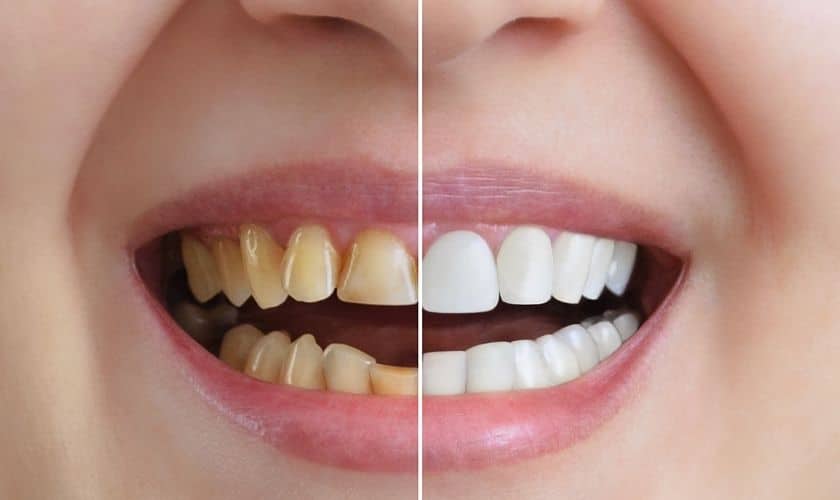
Does Bleaching Damage Tooth Enamel?

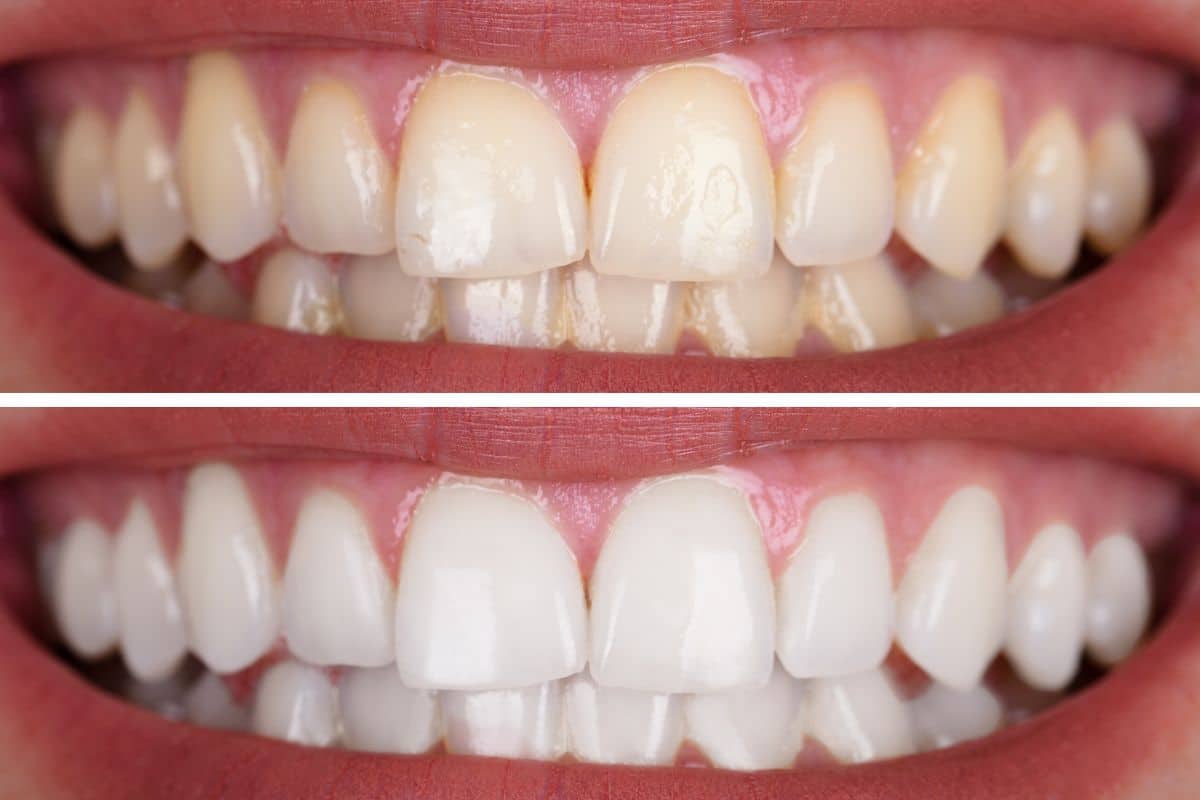
Does Bleaching Damage Tooth Enamel?
Tooth whitening is a popular cosmetic dental procedure, often sought after by individuals looking to brighten their smiles. However, a common concern that arises with bleaching treatments is whether they might damage tooth enamel. This article explores the effects of bleaching on enamel, how it works, and what you can do to protect your teeth during and after the procedure.
Tooth whitening is a popular cosmetic dental procedure, often sought after by individuals looking to brighten their smiles. However, a common concern that arises with bleaching treatments is whether they might damage tooth enamel. This article explores the effects of bleaching on enamel, how it works, and what you can do to protect your teeth during and after the procedure.
How Does Tooth Bleaching Work?
Tooth bleaching, or whitening, involves the use of peroxide-based agents, such as hydrogen peroxide or carbamide peroxide. These agents penetrate the enamel and break down stains into smaller molecules, making them less concentrated and, therefore, less visible. The result is a brighter, whiter smile.
There are different methods of bleaching, including:
- In-Office Whitening: Performed by a dental professional, this method uses a higher concentration of bleaching agents for quicker and more noticeable results.
- At-Home Whitening Kits: These kits, provided by your dentist, contain custom-fitted trays and a lower concentration of bleach. They are used over a period of weeks for gradual whitening.
- Over-the-Counter Products: These include whitening strips, gels, and toothpaste. They have the lowest concentration of bleaching agents and take longer to show results.
Does Bleaching Harm Your Enamel?
The concern that bleaching could damage enamel is understandable, given the importance of this protective layer. However, research and professional opinion largely suggest that when done correctly, tooth bleaching does not harm enamel. Here’s why:
- Non-Abrasive Nature: Unlike some whitening toothpaste that can be abrasive, bleaching agents are non-abrasive. They do not scrub away the enamel but instead, chemically break down stains.
- Controlled Use: When performed by a dental professional or with products recommended by a dentist, the concentration and application of the bleaching agent are carefully controlled. This minimizes the risk of damage.
- Temporary Sensitivity: Some people may experience temporary sensitivity after bleaching. This is not due to enamel damage but rather the temporary exposure of the dentin layer beneath the enamel. The sensitivity usually subsides within a few days.
- pH Levels: The pH level of bleaching agents is usually balanced to prevent enamel erosion. Products with a high acidic content can erode enamel, but professional bleaching treatments are designed to be safe.
Protecting Your Enamel During Whitening
While bleaching itself is generally safe, there are precautions you can take to ensure your enamel remains healthy during and after the whitening process:
- Consult a Professional: Before starting any whitening treatment, consult with a cosmetic dentistry provider in Saginaw to assess your oral health and determine the best method for you.
- Use Fluoride: Fluoride helps strengthen enamel. Using fluoride toothpaste and mouthwash before and after whitening can help protect your teeth.
- Avoid Overuse: Over-whitening can lead to sensitivity and weaken enamel over time. Follow the instructions provided by your dentist or the product manufacturer to avoid overuse.
- Avoid Acidic Foods and Drinks: Acidic foods and drinks can weaken enamel. It’s a good idea to avoid them immediately after bleaching when your teeth might be more sensitive.
- Maintain Good Oral Hygiene: Brushing twice a day, flossing daily, and visiting your dentist regularly are essential for keeping your enamel healthy.
Long-Term Effects of Tooth Bleaching
Studies have shown that the long-term effects of professional tooth bleaching are minimal when done correctly. According to the American Dental Association (ADA), there is no evidence to suggest that bleaching has significant long-term effects on enamel integrity. However, it’s important to note that over-the-counter products, especially those not approved by the ADA, might not be as safe and could lead to enamel erosion if used improperly.
A study published in the Journal of the American Dental Association indicated that professional-grade whitening products, when used as directed, do not cause significant damage to the enamel. The study emphasized the importance of following professional guidelines and avoiding overuse of whitening products to maintain enamel health.
Alternatives to Bleaching
If you’re concerned about the potential effects of bleaching on your enamel, there are alternative cosmetic dentistry options to consider:
- Veneers: Porcelain veneers are thin shells that cover the front surface of your teeth. They can be used to achieve a whiter smile without altering your enamel.
- Bonding: Dental bonding involves applying a tooth-colored resin to the teeth, which can be shaped and polished to match the surrounding teeth.
- Enamel Microabrasion: This technique removes superficial stains and discoloration without the use of bleach.
Each of these options has its pros and cons, and consulting with a cosmetic dentistry provider in Saginaw can help you determine the best choice for your needs.
Conclusion
When tooth bleaching is performed correctly on the teeth, it does not damage the enamel. It is a safe and effective way to achieve a brighter smile. However, like any cosmetic procedure, it should be done under the guidance of a professional to ensure the best results and to protect your oral health. If you’re considering whitening your teeth, consult with our dentist in Saginaw at Smith Family Dentistry to discuss the best options for your smile. Remember, maintaining good oral hygiene and regular dental visits are key to keeping your teeth healthy and beautiful.
If you’re interested in learning more about safe whitening options or other cosmetic dentistry services, contact Smith Family Dentistry today to schedule a consultation. Your smile deserves the best care, and we’re here to help you achieve it.