
What are Dental Sealants?
The chewing surfaces of the back teeth, or molars, can be painted with dental sealants, which are thin coatings that can stop cavities and tooth decay for a very long time. Sealants protect chewing surfaces from cavities by putting a barrier between them and food and microorganisms.
Why Are Sealants Necessary?
The use of dental sealants is an excellent technique to create a barrier of protection against the damaging microorganisms that cause tooth decay. Molars contain several tiny grooves on their biting surfaces where germs can easily assemble and cause decay and destruction. Sealants are a useful approach to help in safeguarding your smile. Dental sealants can be applied without hurting and without changing the surface of the tooth.
Who Can Have Sealants Applied?
Most dental sealants are placed on youngsters between the ages of 6 and 12 as their adult molars start to erupt. To prevent food particles from entering the cracks and pits in molars, sealants are frequently used as a prophylactic treatment. Although it is uncommon, sealants can be applied to adults. Most individuals who receive sealants do so because their dentist believes that their teeth are more likely than average to develop cavities.
What Happens During The Dental Sealant Application?
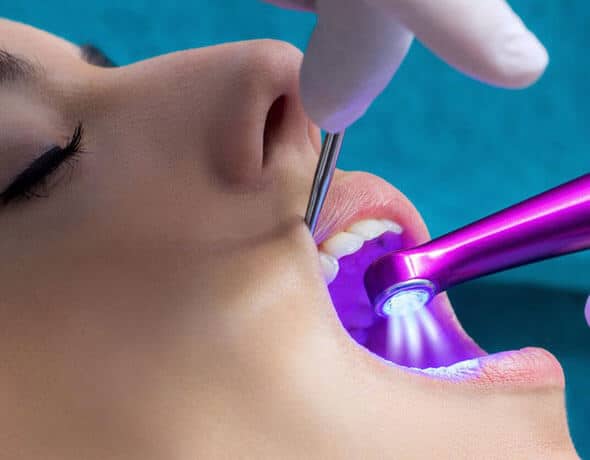
It's an easy and quick process. Before applying an acidic gel to your teeth, your dentist will first clean and dry the affected tooth. For the sealant and your tooth to firmly bond, this gel roughens up the surface of your tooth. Your dentist will rinse off the gel after a brief period and dry your tooth once more before applying the sealant to the gaps of your teeth. The sealant will then be hardened by your dentist using a specialized blue light.
Request an appointment or call Smith Family Dentistry at (989) 799-5850 for an appointment in our Saginaw office.