
Root canal treatment is a dental procedure often associated with fear and discomfort. However, many misconceptions surround this treatment, leading to unnecessary anxiety for patients. In this blog, we will delve into the truth behind the question: Is root canal treatment painful? By debunking myths and providing insights into the procedure, we aim to alleviate concerns and help you make informed decisions about your dental health.
Understanding Root Canal Treatment
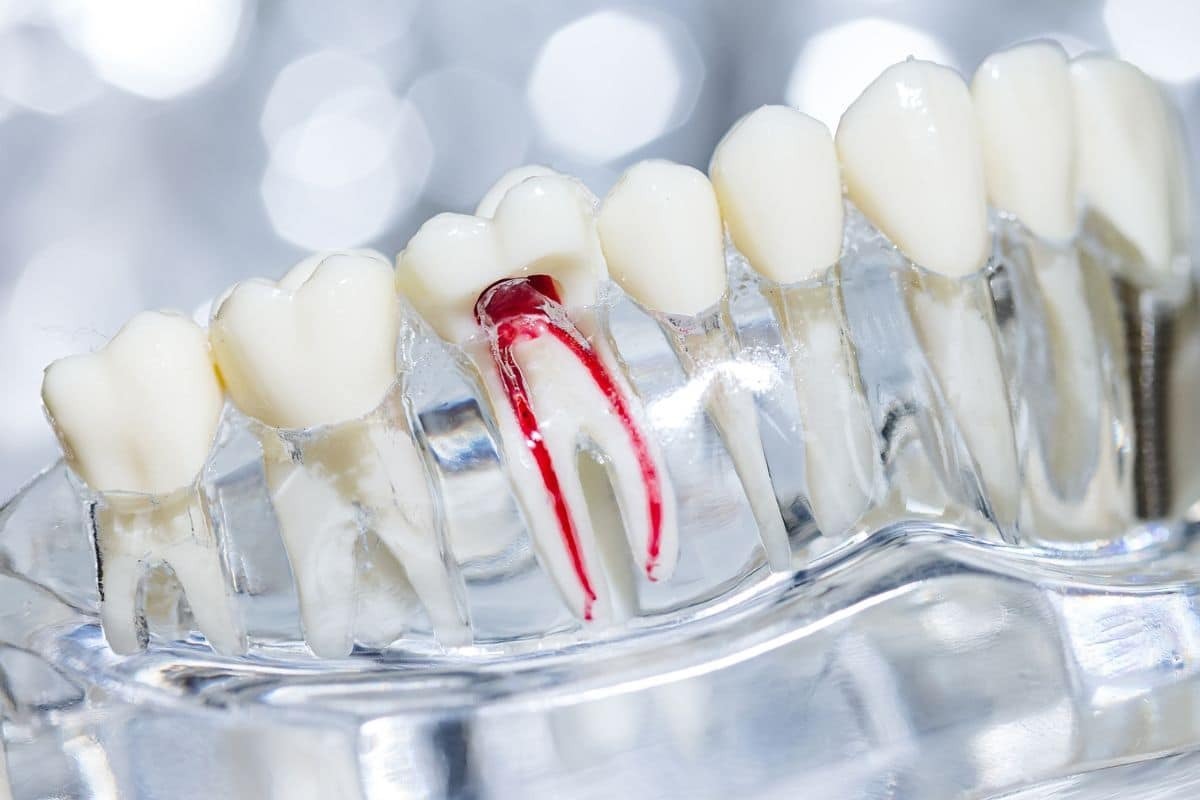
Root canal treatment, also known as endodontic therapy, is a dental procedure performed to save a severely decayed or infected tooth. It involves removing the damaged pulp from the tooth’s root canal, disinfecting the area, and sealing it to prevent further infection. Contrary to popular belief, root canal treatment is designed to relieve pain and restore oral health.
Myth: Root Canal Treatment Is Excruciatingly Painful
One of the most common myths surrounding root canal treatment is that it is excruciatingly painful. However, the truth is that modern dental techniques and anesthesia have significantly improved the experience. With the use of local anesthesia, patients typically experience minimal discomfort during the procedure.
The Role of Anesthesia
Anesthesia plays a crucial role in ensuring a comfortable root canal treatment. Before the procedure, your dentist will administer local anesthesia to numb the affected area, including the tooth and surrounding tissues. This numbing sensation helps eliminate pain during the treatment. In some cases, your dentist may also offer sedation options for those with dental anxiety or more complex cases.
Sensitivity During and After the Procedure
While the procedure itself should not cause pain, it is common to experience some sensitivity or mild discomfort during and after a root canal treatment. This is primarily due to the inflammation or infection that was present before the procedure. However, any discomfort is usually manageable with over-the-counter pain relievers and typically subsides within a few days.
Post-Treatment Care
To ensure a smooth recovery and minimize any potential discomfort, it is essential to follow your dentist’s post-treatment care instructions. This may include avoiding hard or chewy foods, maintaining good oral hygiene, and taking prescribed medications as directed. By adhering to these guidelines, you can support the healing process and reduce the risk of complications.
Benefits of Root Canal Treatment
Root canal treatment offers several benefits, making it a highly recommended dental procedure. By preserving the natural tooth, it prevents the need for extraction and subsequent tooth replacement options, such as dental implants or bridges. Furthermore, it eliminates pain caused by infection or decay, restores proper chewing function, and maintains the aesthetics of your smile.
Conclusion
Contrary to popular belief, root canal treatment is not a painful procedure. Through the use of anesthesia and modern dental techniques, patients can undergo the treatment with minimal discomfort. It is important to understand that any sensitivity or discomfort experienced during or after the procedure is temporary and can be effectively managed. If you require root canal treatment, consult with your dentist to address any concerns and ensure a smooth and pain-free experience. Remember, prioritizing your dental health through timely treatments can help preserve your natural teeth and maintain a healthy smile for years to come.