Brushing and flossing might feel like small, repetitive tasks squeezed into a busy morning. But those two minutes at the sink do more work than most people realize. A clean, healthy mouth supports your gums, your heart, your lungs, and even your wallet. At Smith Family Dentistry, a family dental practice serving patients as a trusted Saginaw dentist, we talk with patients every week who are surprised to learn how far good oral hygiene actually reaches. Here are eight real benefits worth knowing, along with a few tips to make the habit easier to keep.
Key Takeaways
- Healthy gums protect against infection, bad breath, and eventual tooth loss.
- Gum disease has been linked to heart disease, diabetes, and respiratory problems.
- Good oral hygiene during pregnancy supports both mother and baby.
- Prevention almost always costs less than treating a problem later.
- Small daily habits, done consistently, make the biggest difference.
1. Healthy Gums, Fewer Problems
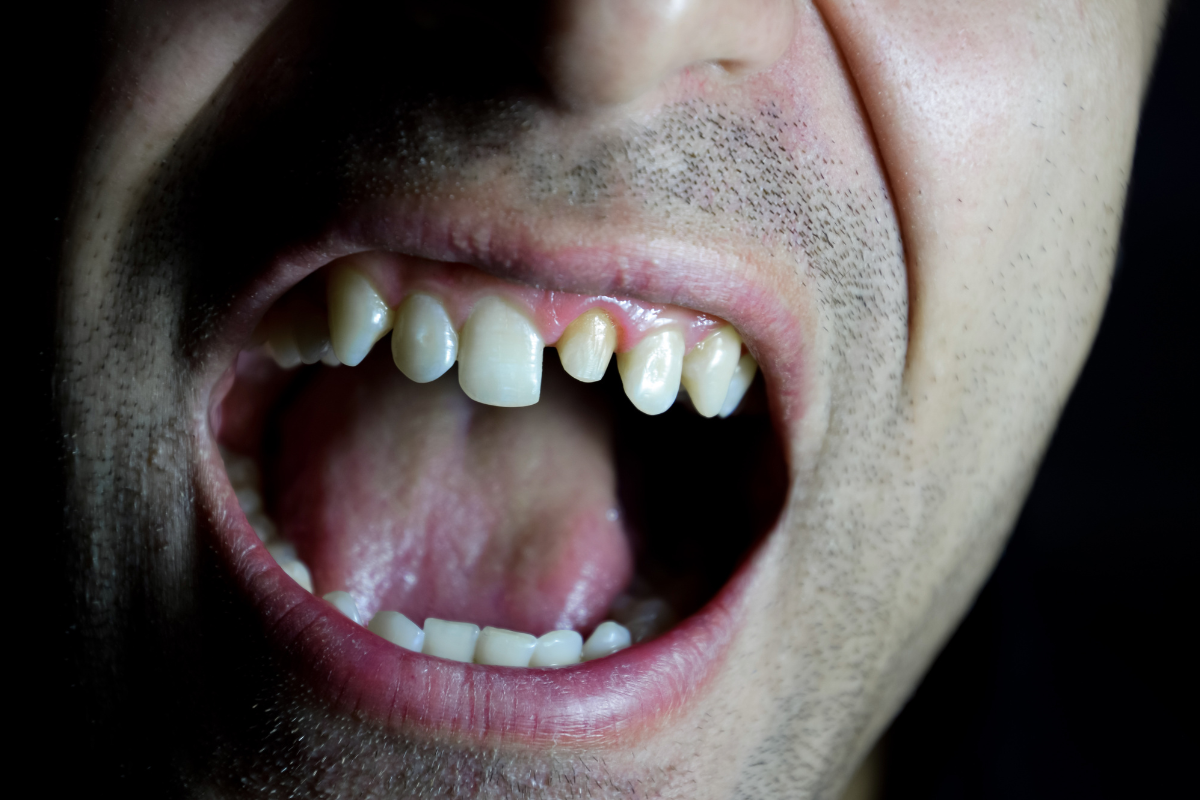
Plaque is a sticky film of bacteria that forms on teeth throughout the day. Left alone, it irritates the gum tissue, causing redness, swelling, and bleeding. This early stage is called gingivitis. If it goes untreated, it can turn into periodontitis, a deeper infection that breaks down the bone holding your teeth in place.
Brushing twice a day and flossing once a day clears away plaque before it can cause this kind of damage. Sticking with routine dental care, including a professional cleaning every six months, removes the hardened buildup called tartar that a toothbrush alone cannot touch.
2. Fresher Breath You Do Not Have to Think About
Bad breath usually comes from food particles and bacteria left behind after meals. When plaque builds up, or when a cavity forms, it gives bacteria a place to sit and multiply, which produces the odor. Regular brushing and flossing clear out the source instead of just covering it up with mints or gum. Patients who ask a local Saginaw dentist about ongoing breath concerns often find the real cause is a hidden cavity or a small spot of gum disease that a home routine alone cannot fix.
3. Your Mouth and Your Heart Are Connected
This one surprises a lot of patients. Gum disease allows bacteria to slip into the bloodstream, and once there, it can travel to the heart and affect the arteries. According to the American College of Cardiology, people with gum disease face a notably higher risk of heart attack compared to those with healthy gums. Any dentist in Saginaw or its nearby areas, patients often seen for a routine checkup will likely mention this connection, since keeping plaque under control is a simple, daily way to support both your smile and your cardiovascular health.
4. Better Blood Sugar Control
The link between oral health and diabetes runs in both directions. Diabetes can weaken the immune system, making gum infections more likely, and gum disease can make blood sugar harder to manage because of the inflammation it causes. The Centers for Disease Control and Prevention notes that people with diabetes face a higher risk of gum disease, which makes daily brushing and flossing an important part of managing the condition, not just an extra chore.
5. Easier Breathing
The mouth is connected to the respiratory system, and bacteria from an unhealthy mouth can be inhaled into the lungs. Over time, this raises the risk of infections such as pneumonia, especially in older adults. Reducing the bacterial load in your mouth through regular brushing and flossing is a simple step that supports your lungs along with your teeth.
6. A Healthier Pregnancy
Oral health matters even more during pregnancy. Hormonal changes can make gums more sensitive to plaque, and untreated gum disease has been associated with premature birth and low birth weight, according to research summarized by the March of Dimes. Keeping up with brushing, flossing, and dental visits during pregnancy is one small way to support a healthier outcome for both mother and baby.
7. More Confidence Day to Day
A clean, healthy smile changes how people carry themselves. Patients who are not worrying about their breath or hiding stained or damaged teeth tend to smile more freely, speak up more in meetings, and feel more at ease in photos and conversations. This is not just a feel-good side note. Confidence built from a healthy mouth can affect how comfortable someone feels in everyday social situations.
8. Real Savings Over Time
Good oral hygiene is also a financial decision. A routine cleaning and checkup costs far less than treating a cavity, and treating a cavity early with a simple dental filling costs far less than needing a crown or root canal therapy later. The table below shows how the cost and complexity of treatment tend to climb the longer a problem goes unaddressed and patients who delay care often end up needing more advanced procedures, such as root canal therapy, than they would have if the issue had been caught sooner.
| Stage | What It Involves | Relative Cost and Complexity |
| Prevention | Brushing, flossing, routine cleanings | Low cost, minimal time |
| Early decay | Small filling | Moderate cost, single visit |
| Advanced decay | Crown or root canal | Higher cost, multiple visits |
| Untreated infection | Extraction and replacement | Highest cost, longest recovery |
Staying ahead of small problems with daily habits and regular checkups is almost always the simpler path, and it is one reason so many families choose a dentist who recognizes straightforward, honest treatment plans rather than surprise bills.
Making the Habit Easier to Keep
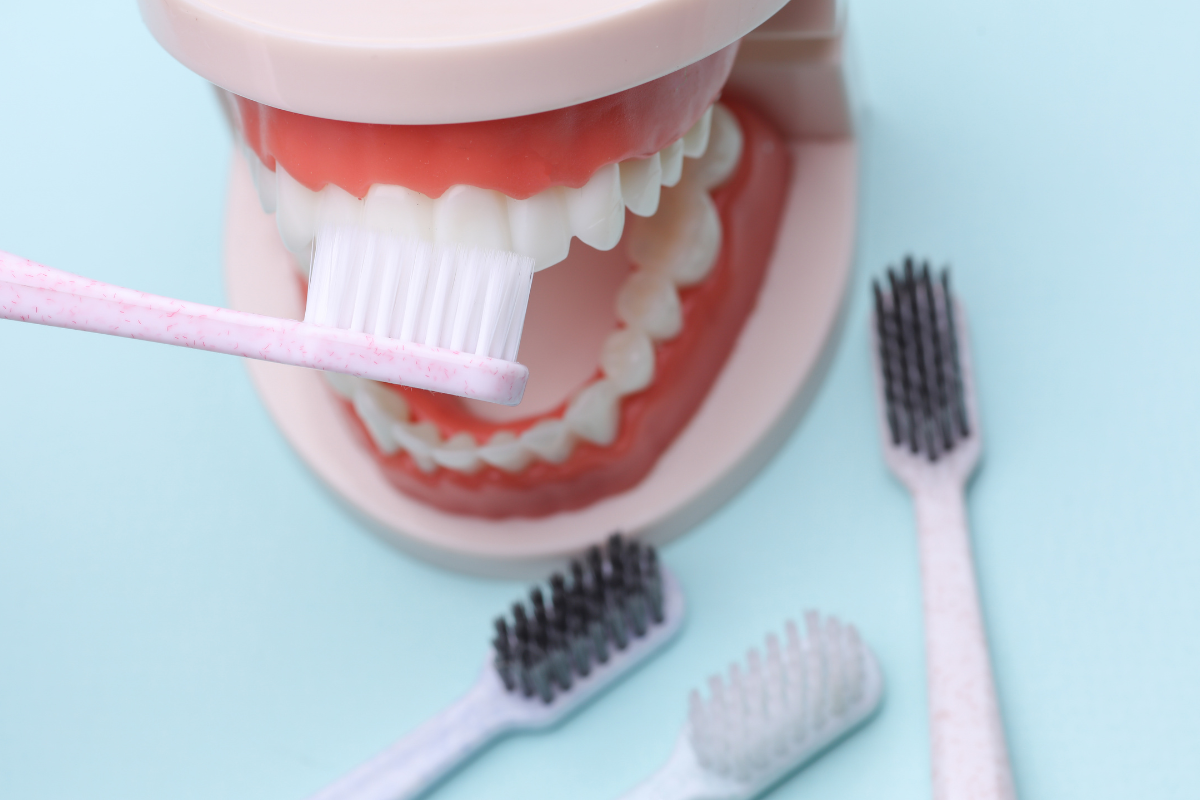
Brushing for two full minutes, twice a day, and flossing once a day is the standard most dentists recommend. A few small changes can make it easier to stick with.
- Pick a toothbrush you actually like using, whether that means a fun design or a model with a built-in timer.
- Play a two minute song while you brush so the time passes without watching the clock.
- Try flavored floss if plain floss feels like a chore.
- Keep a spare toothbrush and floss at work or in your bag for days that get busy.
None of these habits need to be complicated. Consistency matters far more than perfection.
Know Our Dentists
Dr. Curtis E. Smith grew up in Saginaw and returned home after earning his dental degree from the University of Detroit Mercy School of Dentistry in 2001. He treats restorative, cosmetic, and emergency dental needs, and has served on the boards of both the Saginaw Valley District Dental Society and the Saginaw County Dental Society. Dr. Smith also mentors dental students through the University of Michigan’s Victors For Veterans program and has taken part in dental mission trips around the world. Patients often mention how clearly he explains a treatment plan before moving forward with care.
Dr. Molly McKenzie joined the practice after graduating from the University of Michigan School of Dentistry in 2025. Her training covered general dentistry, periodontics, oral surgery, and pediatric care, giving her a broad view of how daily hygiene habits connect to long-term oral health. She is a member of the American Dental Association and the Michigan Dental Association, and has volunteered her dental skills both in underserved Michigan communities and abroad. Dr. McKenzie is known for taking extra time with nervous or younger patients, which makes routine visits far less stressful.
Between the two of them, patients of every age have access to care that covers everything from a child’s first cleaning to more involved restorative work, all from a dentist Saginaw MI families have relied on for years.
Our Patients Review
Reviews from real patients tell the story better than any marketing copy can.
“Had another really good experience today at Smith Family Dental Care. My hygienist (Hailie) is always friendly and thorough. The same is true for Dr. Smith. I would recommend them to anyone looking for a good dental office.”
★★★★★ — (David Dillon)
Feedback like this reflects exactly what good preventive care should feel like. A thorough cleaning paired with a comfortable, unhurried visit is what keeps small problems from ever becoming big ones.
Frequently Asked Questions
1. How often should I really be flossing?
Once a day is enough for most people. The key is reaching between every tooth, not just the ones that feel tight or trap food easily.
2. Can good oral hygiene actually lower my risk of heart problems?
Research points to a real connection between gum disease and heart health. Keeping gums healthy through daily brushing and flossing is one simple step that supports overall cardiovascular health.
3. Is an electric toothbrush better than a manual one?
Both can work well. What matters most is brushing for two full minutes, twice a day, and covering every surface of every tooth, regardless of which type of brush you use.
4. Why do my gums bleed when I floss?
Bleeding usually means plaque has built up along the gum line and caused irritation. It often improves within a week or two of consistent flossing, but ongoing bleeding should be checked by a dentist.
5. Does diet really affect oral hygiene?
Yes. Sugary snacks and drinks feed the bacteria that cause plaque and cavities. Water, along with foods low in added sugar, supports both your teeth and your overall hygiene routine.
6. At what age should children start regular dental visits?
Most dentists recommend a first visit around the time a child’s first tooth appears, and no later than their first birthday, to start good habits early.
7. How does gum disease affect diabetes management?
The relationship runs both directions. Diabetes raises the risk of gum infections, and gum disease can make blood sugar harder to control because of the inflammation involved.
8. What is the biggest mistake people make with their oral hygiene routine?
Rushing through brushing is common. Two minutes feels longer than it is, and cutting that time short leaves plaque behind that a longer, more thorough brushing would have removed.
Ready to Build a Healthier Routine?
Good oral hygiene is one of the simplest habits with the widest reach, touching your gums, your heart, your confidence, and your budget all at once. If it has been a while since your last cleaning, or you just want a second opinion on your current routine, our team is ready to help. Contact us today and let our dentist Saginaw help you build a daily oral hygiene routine that actually sticks.