Losing one tooth is hard. Losing several changes how you eat, speak, and smile. Many people assume implants are the only answer, and others worry they cannot qualify or afford them.
There is more than one good path. A dentist in saginaw can look at your gums, bone, and budget, then help you pick what fits. This guide compares each option in plain terms.
Our team at Smith Family Dentistry helps people sort through this choice every week. Implants are a strong option, and dental implants saginaw dentists place can restore a full bite. Still, bridges and dentures work well in the right case.
What Missing Teeth Do Over Time
A gap is not just a gap. It keeps changing your mouth.
- Nearby teeth drift toward the space and tilt.
- The tooth above or below can grow out of place.
- Your jawbone shrinks where a root is gone, since the bone no longer gets chewing pressure.
- Chewing gets harder, so many people avoid crunchy, healthy foods.
- Your face can look different as bone and gums shrink.
The American Dental Association (mouthhealthy.org) notes that missing teeth can lead to bite problems and further tooth loss. Filling the gaps sooner protects the teeth you still have.
The Main Ways to Replace Several Teeth
Dental Implants
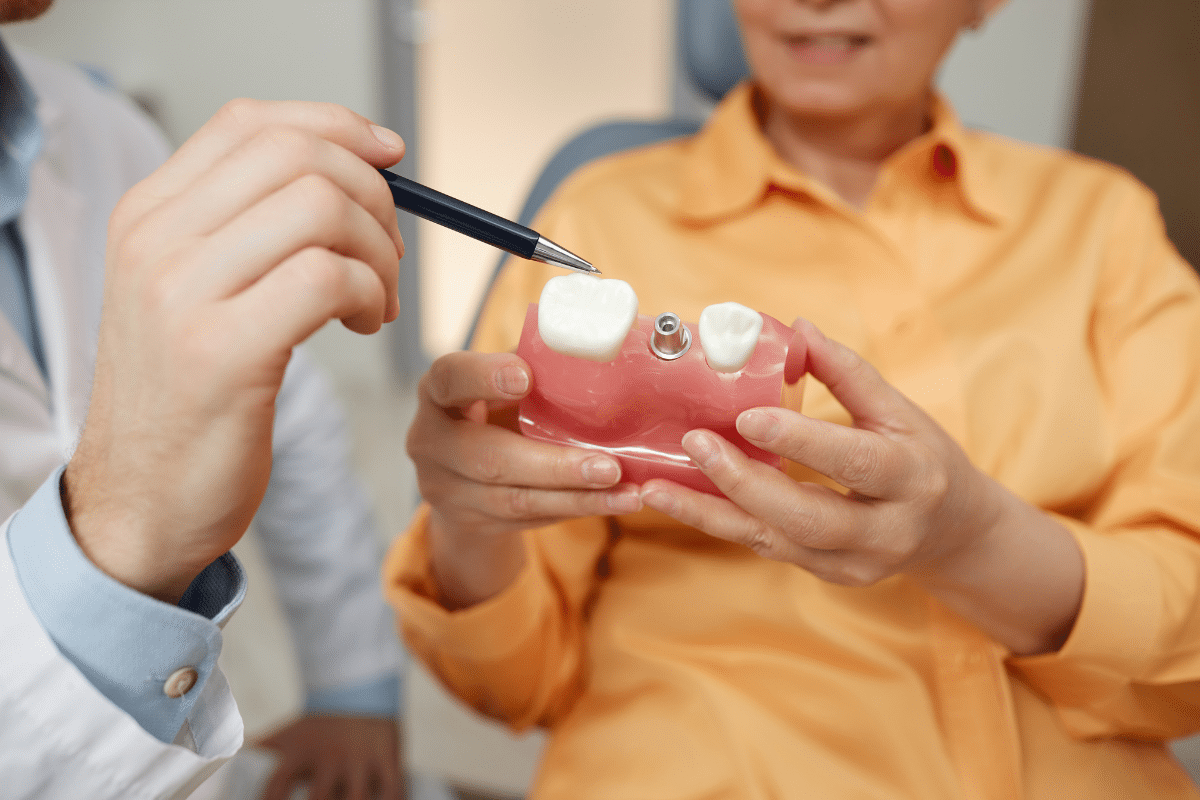
A titanium post is placed in the jawbone and acts as a new root. Over a few months it fuses with the bone. A custom crown is then added on top. An implant does not lean on nearby teeth, so those teeth stay untouched. That is a big reason many people choose dental implants saginaw has available when bone and gums are healthy. With good care, they are designed to last for decades.
The tradeoff is time. Healing takes months, and some people need a bone graft first.
Dental Bridges
A bridge uses crowns on the teeth beside the gap to hold a replacement tooth in the middle. It is fixed in place, so you do not take it out. Bridges are quicker than implants. The neighboring teeth must be strong, though, because they are reshaped to hold the crowns.
Partial Dentures
A partial denture is a removable plate with several false teeth. It can replace teeth in different spots in one piece. It often costs less up front. It must come out for cleaning, and it can feel bulky or shift when you eat.
Full Dentures
If most or all teeth are gone, full dentures replace a whole arch. A good fit matters. Loose dentures can cause sore spots and make eating hard.
Side-by-Side Comparison
| Option | Best For | Uses Neighbor Teeth | Removable | Typical Time |
| Dental implants | One or several gaps with healthy bone | No | No | Several months |
| Dental bridge | A gap with strong teeth on both sides | Yes | No | A few weeks |
| Partial denture | Several gaps in different spots | Sometimes (clasps) | Yes | A few weeks |
| Full denture | Most or all teeth missing | No | Yes | A few weeks |
One note on bone. Implants are the only option here that sits in the jawbone and helps keep it stable. Bridges and dentures rest on top of the gums and teeth.
How to Choose
Ask yourself these questions:
- How many teeth are missing, and where? Back teeth take more force than front teeth.
- Are the nearby teeth healthy? If they are strong, a bridge may work. If not, an implant spares them.
- How much bone do you have? An X-ray shows whether an implant has a solid base.
- What is your timeline? Bridges and dentures are faster than implants.
- What are your comfort and care needs? Some people want a fixed tooth. Others prefer something they can remove.
- What is your budget? Ask about insurance and financing before you decide.
The American College of Prosthodontists (gotsmile.org) also offers patient guides on tooth replacement if you want more reading.
When Implants May Not Be the Right Fit
Implants need healthy bone and gums to heal. Your dentist may suggest a different route, or a first step, if you have:
- Bone loss (a graft may be needed first)
- Untreated gum disease
- Health conditions that slow healing, such as poorly controlled diabetes
- Tobacco use, which raises the risk of healing problems
None of these closes the door for good. They shape the plan.
What a Visit Looks Like
At an exam, we check your teeth, gums, and bone, and often take X-rays. A Saginaw dentist can then lay out each option with the pros, cons, and timeline for your case. You are never pushed toward one choice. Our office is open Monday through Thursday, 7 a.m. to 3 p.m., which suits early risers and people who want to be done before the workday gets going.
For implants, the process is calm and quiet. You are numbed or sedated, the post is placed, and you heal for a few months before the permanent crown goes on. Mild soreness and swelling in the first days are normal.
Know Our Dentists
Replacing teeth is a long-term choice, so it helps to feel heard. Here are the two doctors you will meet at Smith Family Dentistry.
Dr. Curtis E. Smith is a Saginaw native. He earned his DDS from the University of Detroit Mercy School of Dentistry in 2001 and returned home to begin his career at our office. He enjoys every part of dentistry, from restorative and cosmetic work to urgent care. He has served on the boards of the Saginaw Valley District Dental Society and the Saginaw County Dental Society, joined dental and medical mission trips, and mentors dental students, including through the University of Michigan’s Victors for Veterans program.
Dr. Molly McKenzie graduated from the University of Michigan School of Dentistry in 2025. Her training covered general dentistry, gum care, oral surgery, and pediatrics. She grew up in the Keweenaw Peninsula and studied at Michigan Technological University. She is a member of the American Dental Association and the Michigan Dental Association, and has volunteered to treat underserved patients in Michigan and abroad. Dr. McKenzie links oral health to overall health and works to keep each visit welcoming. If you are weighing dental implants in Saginaw against a bridge or denture, either doctor can walk you through the choice.
Frequently Asked Questions
1. Can I replace several teeth without implants?
Yes. Bridges, partial dentures, and full dentures are all proven options, depending on your mouth.
2. How long do implants last?
With good care and regular checkups, they are designed to last for decades.
3. Is implant placement painful?
The area is numbed or you are sedated, so most people feel little to no pain. Some soreness is normal while healing.
4. How long does the whole implant process take?
It often spans a few months, since the post must fuse with the bone before the crown goes on.
5. Can I get an implant if I have bone loss?
Sometimes. A bone graft may be needed first to build a strong base.
6. Will a bridge damage my other teeth?
The teeth beside the gap are reshaped to hold crowns. This is why they need to be healthy and strong.
7. Do partial dentures feel natural?
They take time to get used to. A good fit makes eating and speaking easier.
8. What happens if I leave the gaps untreated?
Nearby teeth can shift, the bite can change, and the jawbone can shrink over time.
Final Thoughts
Missing teeth do not have to wait, and you do not have to pick the first option you hear about. Compare how each choice fits your bone, your budget, and your daily life. If you want a dentist in saginaw to examine your mouth and explain the choices, Smith Family Dentistry welcomes new visitors. Dental implants in saginaw are one path we can review alongside bridges and dentures. Request an appointment online at smith family dentistry to get started.