You waited through the healing months. Now the crown is on, and the first real meal is coming. It is normal to feel a little unsure. Will it feel strange? What should you eat first? Can you chew on that side yet?
This guide walks through what to expect, what to eat, and what to watch for as you get used to a full bite again.
Quick answer: Wait until the numbness is gone. Start with soft or medium foods, cut them small, and chew on both sides. Add harder foods over the next few days as the area feels comfortable. Follow the plan your dentist gives you.
What Has Changed in Your Mouth
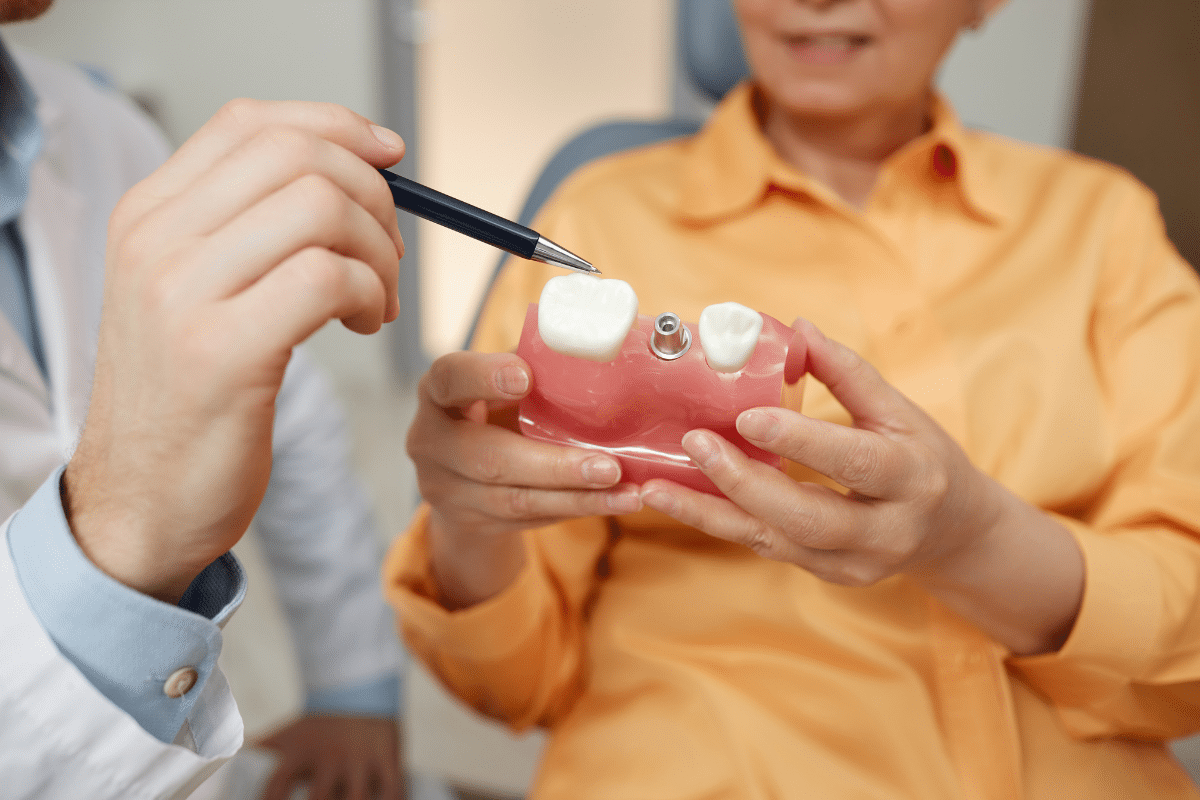
An implant works like a new tooth root. A titanium post sits in the jawbone and fuses with it over several months. The crown is the visible tooth that goes on top. Once the crown is placed, the surgery and healing stage is behind you.
Your mouth still needs a short adjustment period. The crown may feel taller or larger than it is, simply because your tongue and cheeks are not used to it. Your bite also has to learn to share the load with the new tooth. A few quiet days of paying attention is all most people need.
Why the First Meal Matters
This meal sets the tone. A gentle start builds confidence, and it helps you notice if anything feels off. Many people who look into dental implants in saginaw ask about this moment, because chewing comfortably again is the main goal of the treatment.
Pressure feels different from pain. Expect a mild, dull sense of pressure at first, since an implant has no ligament around it like a natural tooth does. Sharp pain, throbbing, or a loose feeling is not part of normal adjustment.
Before You Take the First Bite
A few small steps make the meal easier:
- Wait for the numbness to fade. If you had anesthetic, eating too soon can lead to a bitten cheek or tongue.
- Brush and rinse gently. Start with a clean mouth.
- Pick a calm setting. Sit down, slow down, and skip a rushed lunch at your desk.
- Have water nearby. Lukewarm is best until you know how the area feels.
A Simple Food Guide for the First Week
Your dentist may give you different timing based on your case, so treat this as a general guide.
| Stage | Food Examples | Why |
| First meal | Scrambled eggs, mashed potatoes, soup, yogurt, soft pasta, flaked fish | Little chewing effort, so you can test the bite |
| Days 2 to 4 | Tender chicken, rice, cooked vegetables, soft sandwiches, ground beef | Medium texture helps you build comfort |
| After a few days | Salads, steak cut in small pieces, firm vegetables | Add these once chewing feels natural |
| Take it slow | Hard candy, ice, whole raw apples, corn on the cob, chewy caramel | Hard or sticky foods can stress the crown or pull on it |
Even when everything feels fine, avoid chewing ice or using your teeth to open packages. That habit can crack a natural tooth as easily as a crown.
How to Chew With Confidence
- Cut food into small bites.
- Chew on both sides, not just the old side.
- Take your time and stop if something feels sore.
- Notice where food catches. Tell your dentist if the crown feels high or if food keeps packing around it.
If the crown feels too tall when your teeth meet, it is a quick fix. A small bite adjustment at a follow-up visit usually solves it. Do not wait it out for weeks.
Signs to Report to Your Dentist
Contact the office if you notice any of these:
- Pain when you bite that does not ease
- A crown that feels loose or moves
- Swelling, a bad taste, or pus near the gum
- Bleeding that keeps coming back
- A bite that feels uneven after a few days
Early checks protect the implant. Your team would rather see you for a small issue than a big one.
Keeping Your Implant Clean
An implant cannot get a cavity, but the gum around it can still get inflamed. The American Dental Association (ADA) advises brushing twice a day and cleaning between your teeth daily. Floss, small between-teeth brushes, and water flossers all work. Regular checkups let your team measure the gum and check the bite. The American Academy of Implant Dentistry and the American College of Prosthodontists also stress good home care and routine visits as the best way to protect an implant over time.
Easing Back Into Saginaw Favorites
Michigan has plenty of food that works for a gentle return. A bowl of soup on a cold Saginaw morning is a good first meal. A tender chicken dinner, like the ones many families enjoy in nearby Frankenmuth, comes next once chewing feels easy. Save the crunchy Michigan apples and a grilled steak for later in the week.
If you are exploring dental implants in Saginaw, ask your dentist for a short food plan so you know when each favorite is safe. Office hours at Smith Family Dentistry run Monday through Thursday, 7:00 AM to 3:00 PM, so follow-up checks fit before work or school.
Meet Our Dentists
Smooth recovery depends on clear guidance and careful follow-up. Two doctors see patients at Smith Family Dentistry, and both work with restorative needs like missing teeth.
Dr. Curtis E. Smith grew up in Saginaw and earned his DDS from the University of Detroit Mercy School of Dentistry in 2001. He enjoys restorative, cosmetic, and urgent care, and he focuses on one-on-one attention. Dr. Smith has served on the boards of the Saginaw Valley District Dental Society and the Saginaw County Dental Society. He also mentors dental students and has taken part in dental and medical mission trips.
Dr. Molly McKenzie graduated from the University of Michigan School of Dentistry in 2025. Her training covered general dentistry, gum care, oral surgery, and pediatrics, which helps her look at how the gums and bone support a new tooth. She is a member of the American Dental Association and the Michigan Dental Association. Dr. McKenzie likes to connect oral health with overall health and to build lasting relationships with patients. She grew up in Michigan’s Keweenaw Peninsula and has volunteered with underserved patients in Michigan and abroad.
Frequently Asked Questions
1. Can I eat right after my crown is placed?
Wait until any numbness is gone. Then start with soft foods and follow the plan from your dentist.
2. How long until I can eat normally?
Many people return to most foods within a few days. Your timeline depends on your case, so ask at your visit.
3. Is it normal for the new tooth to feel different?
Yes. It may feel larger or slightly different at first, and mild pressure when chewing is common. Sharp or lasting pain is not normal.
4. Which foods should I avoid at first?
Skip ice, hard candy, chewy caramel, and very crunchy foods until your dentist says they are fine.
5. Should I chew on the new side right away?
Use both sides. Gentle chewing helps your bite adjust, but stop if it hurts.
6. What if my bite feels too high?
Tell your dentist. A small adjustment is quick and often solves the problem.
7. Do I need to floss around the crown?
Yes. Clean around it daily with floss, a small brush, or a water flosser to keep the gums healthy.
8. How often should I have checkups?
Most people do well with visits every six months. Your dentist may suggest a different schedule.
The Takeaway
The first meal after your crown is a small step with a big payoff. Go slow, pick soft foods, and let your bite settle. Keep your gums clean and report anything that feels wrong. For people weighing dental implants in Saginaw, knowing what that first week looks like makes the decision feel much clearer.
Ready to talk through tooth replacement options? Request an appointment online with Smith Family Dentistry.