
Tooth decay and cavities are common dental problems that can significantly impact oral health if left untreated. Fortunately, restorative dentistry provides effective solutions for addressing these issues and restoring the health and functionality of damaged teeth. In this blog, we will explore the role of restorative dentistry in treating tooth decay and cavities, and how these procedures can help preserve your smile.
Understanding Tooth Decay And Cavities: Causes And Consequences
Tooth decay occurs when the bacteria in the mouth produce acids that gradually erode the protective enamel layer of the teeth. Over time, this can lead to the formation of cavities, which are small holes or openings in the teeth. Cavities not only cause discomfort and pain but also increase the risk of further dental complications if left untreated. Factors such as poor oral hygiene, sugary diets, and genetics can contribute to the development of tooth decay and cavities.
Restorative Dentistry: The Solution for Tooth Decay and Cavities
Dental Fillings: Dental fillings are the most common and straightforward treatment for cavities. This restorative procedure involves removing the decayed portion of the tooth and filling the resulting cavity with a biocompatible material, such as composite resin or amalgam. Fillings not only restore the structure and function of the tooth but also prevent further decay by sealing off the area and preventing bacteria from re-entering.
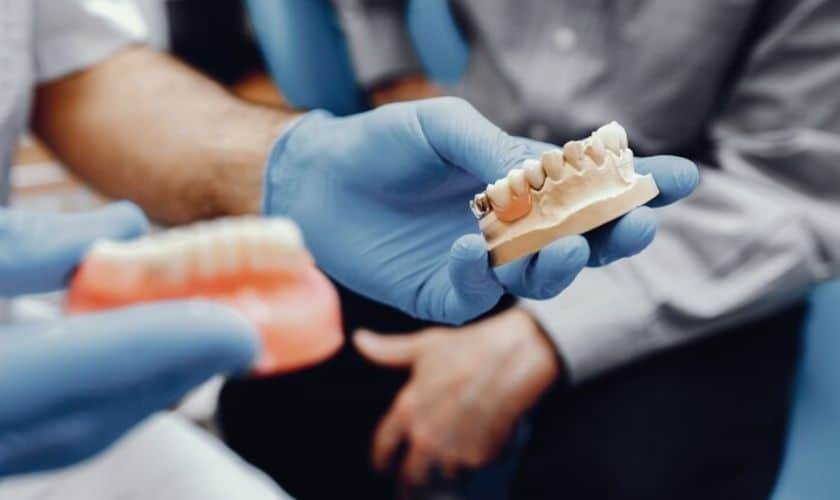
Dental Crowns: In cases where the tooth decay is extensive and a large portion of the tooth structure is compromised, a dental crown may be necessary. Dental crowns are custom-made caps that cover the entire visible portion of the tooth. They are typically made from materials such as porcelain, metal, or a combination of both, providing strength, durability, and a natural appearance. Crowns restore the shape, size, and strength of the tooth, protecting it from further damage while improving its aesthetics.
Inlays and Onlays: Inlays and onlays are restorative options that are used when a tooth has too much damage for a filling but doesn’t require a full dental crown. Inlays are placed within the grooves or cusps of the tooth, while onlays cover a larger portion of the tooth, including one or more cusps. These restorations are made from materials similar to dental fillings or dental crowns and are custom-designed to provide a precise fit and restore the tooth’s function and appearance.
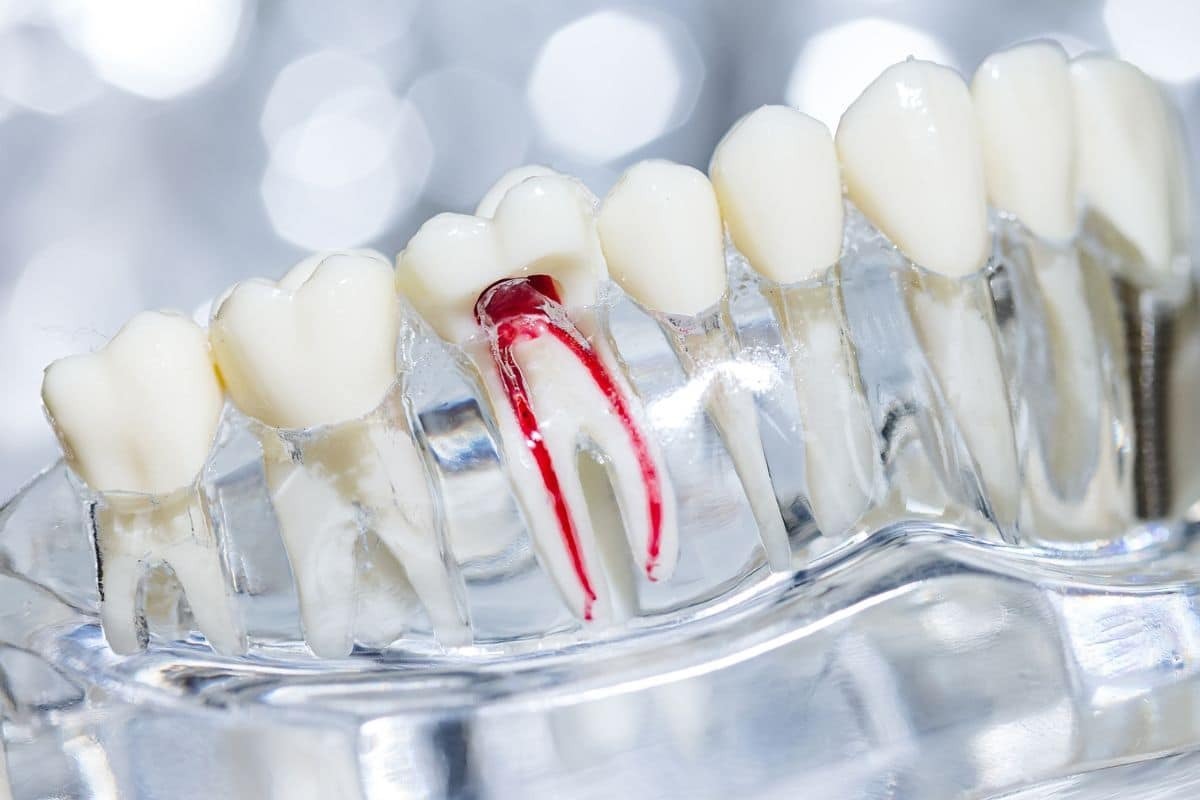
Root Canal Treatment: When tooth decay progresses to the point where it reaches the pulp and infects the tooth’s nerve, root canal treatment becomes necessary. This procedure involves removing the infected pulp, cleaning and disinfecting the root canals, and then filling them with a biocompatible material. A dental crown is typically placed over the treated tooth to provide strength and protection. Root canal treatment not only relieves pain and saves the tooth from extraction but also eliminates the source of infection and prevents its spread.
Benefits Of Restorative Dentistry For Tooth Decay And Cavities
1.Preserving Natural Teeth: Restorative dentistry focuses on preserving as much of the natural tooth structure as possible. By treating tooth decay and cavities early with appropriate restorative procedures, the need for tooth extraction can often be avoided, preserving the integrity of the natural tooth and maintaining proper oral function.
2. Restoring Function and Aesthetics: Restorative treatments not only address the structural damage caused by tooth decay and cavities but also restore the function and aesthetics of the affected teeth. Dental fillings, crowns, inlays, and onlays provide durable and natural-looking solutions, allowing patients to eat, speak, and smile with confidence.
3. Preventing Further Complications: Untreatedtooth decay and cavities can lead to more severe oral health issues, such as infection, abscesses, and even tooth loss. Restorative dentistry helps prevent these complications by addressing the decay and restoring the affected teeth, effectively halting the progression of the disease.
4. Long-Term Oral Health: By treating tooth decay and cavities with restorative dentistry, patients can enjoy long-term oral health benefits. Restorations are designed to be durable and resistant to decay, providing a strong foundation for the tooth and promoting longevity.
The Bottom Line
Restorative dentistry plays a crucial role in treating tooth decay and cavities, offering effective solutions to preserve natural teeth and restore their function and aesthetics. Through procedures such as dental fillings, crowns, inlays, onlays, and root canal treatments, dental professionals can address the damage caused by tooth decay and prevent further complications. By seeking timely restorative treatment, patients can maintain their oral health, enjoy a pain-free smile, and preserve the beauty and functionality of their natural teeth. If you suspect tooth decay or cavities, consult with your dentist to explore the restorative options available and ensure a healthy and confident smile for years to come.