Oral surgery, whether it’s for wisdom teeth removal, dental implants, or other procedures, is a common dental practice that can improve your oral health and overall well-being. However, proper post-operative care is crucial to ensure a smooth and comfortable healing process. In this article, we’ll provide valuable tips to help you navigate the recovery process after oral surgery and promote a faster and more comfortable healing experience.
Follow Post-Operative Instructions
Your oral surgeon will provide you with specific post-operative instructions. These instructions are tailored to your procedure and are designed to optimize your healing process. Follow them diligently, including medication schedules, dietary restrictions, and oral hygiene guidelines.
Manage Pain and Discomfort
Pain and discomfort are common after oral surgery. Your oral surgeon may prescribe pain medication to help manage this. Take pain medication as directed and avoid over-the-counter pain relievers that may interact with your prescription. Ice packs can also provide relief by reducing swelling and numbing the affected area.
Maintain Oral Hygiene
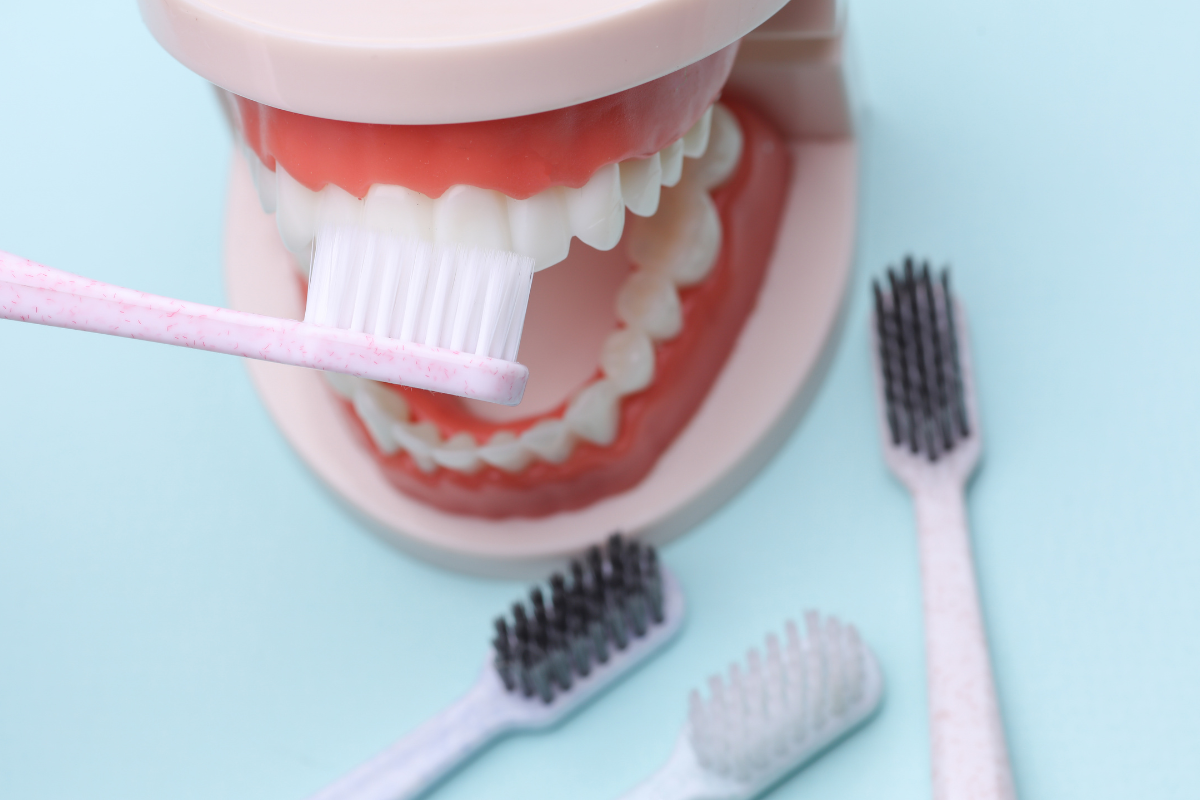
Oral hygiene is essential for preventing infection and promoting healing. Be gentle when brushing and flossing near the surgical site to avoid irritation. Your oral surgeon may recommend a special mouthwash or saline rinse to keep the area clean. Avoid using straws, as the suction can dislodge blood clots and hinder healing.
Stay Hydrated
Drink plenty of water to stay hydrated, but be mindful of the temperature. Very hot or cold beverages can irritate the surgical site. Opt for lukewarm or room-temperature liquids, and avoid alcohol and carbonated drinks.
Soft Diet
Stick to a soft diet in the days following oral surgery. Foods like yogurt, applesauce, mashed potatoes, and soup are easy to eat and won’t irritate the surgical area. Avoid hard, crunchy, or spicy foods that could cause discomfort or damage.
Rest and Relax
Allow your body to heal by getting plenty of rest. Avoid strenuous activities for a few days after surgery. Resting helps your immune system focus on healing and reduces the risk of complications.
Swelling and Bruising
Swelling and bruising are common after oral surgery, especially wisdom tooth extraction. Applying ice to the affected area for the first 24-48 hours can help reduce swelling. Sleeping with your head elevated can also minimize swelling.
Avoid Smoking and Alcohol
Smoking and alcohol can slow down the healing process and increase the risk of complications. It’s best to abstain from both during your recovery period.
Attend Follow-Up Appointments
Be sure to attend all scheduled follow-up appointments with your oral surgeon. They will assess your healing progress, remove any stitches if necessary, and address any concerns or questions you may have.
Be Patient
Healing after oral surgery takes time. It’s essential to be patient and allow your body to recover at its own pace. Rushing the healing process can lead to complications.
The Bottom Line
Recovery after oral surgery requires proper care and attention to detail. By following these tips and the guidance of your oral surgeon, you can promote a smoother and faster healing process. Remember that every individual’s recovery is unique, and it’s crucial to communicate any concerns or complications with your oral surgeon promptly. With the right care, you’ll be back to your regular activities with improved oral health in no time.