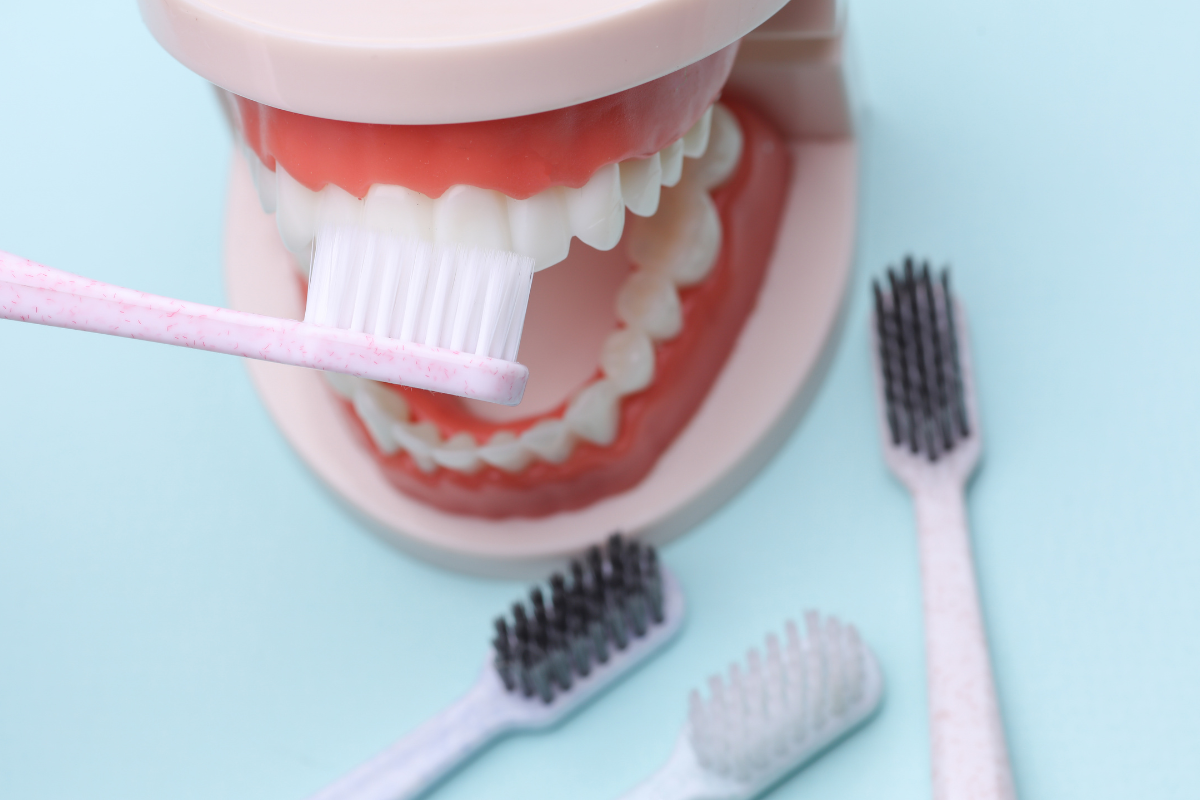
Gum disease, also known as periodontal disease, is a common oral health condition that affects millions of people worldwide. While many individuals focus on maintaining a beautiful smile, they often overlook the significant impact of gum health on overall oral well-being. Understanding the impact of food choices on gum health opens a gateway to a proactive approach, empowering individuals to take charge of their oral well-being by making informed dietary decisions.
Join us on this illuminating journey through the intricacies of the link between diet and gum disease, uncovering the foods that may either bolster or compromise gum health and discovering the pivotal role of nutrition in the pursuit of a vibrant and healthy smile. Whether you’re curious about enhancing your oral health, seeking to prevent gum disease, or simply fascinated by the intricate connections within the human body, this exploration promises to unravel the significance of what we eat in maintaining strong and healthy gums.
The Role of Nutrition in Gum Health
When it comes to oral health, nutrition plays a crucial role in preventing and managing gum disease. Our gums, like any other part of our body, require essential nutrients to stay strong and fend off infections. The nutrients that are particularly important for gum health include:
Vitamin C
This vitamin is known for its role in collagen formation, vital for gum tissue strength. A deficiency in vitamin C can lead to weakened gums, making them more susceptible to infection and gum disease.
Vitamin D
Vitamin D is essential for calcium absorption, and it helps to maintain the health of teeth and gums. Insufficient vitamin D levels can lead to gum inflammation and an increased risk of periodontal disease.
Calcium
Calcium is not only crucial for strong teeth but also for maintaining the integrity of the jawbone that supports the teeth. A diet lacking in calcium can weaken bone structure and increase the risk of gum disease.
Antioxidants
Antioxidants, such as vitamin E and selenium, help protect the gum tissue from oxidative damage and inflammation. Inflammation is a major contributor to gum disease.
Omega-3 Fatty Acids
These healthy fats have anti-inflammatory properties and can help reduce gum inflammation. They are found in foods like fatty fish and flaxseeds.
A balanced diet that provides these essential nutrients is fundamental for preventing gum disease. Nutrient-rich foods contribute to strong, resilient gum tissue and support the body’s ability to fight off infections.
Foods That Promote Gum Health
Now that we understand the importance of nutrition for gum health let’s delve into some specific foods that can help maintain healthy gums. Dentists recommend that Incorporating these foods into your diet can go a long way in preventing gum disease:
Fruits and Vegetables
Fresh fruits and vegetables, especially those high in vitamin C, like oranges, strawberries, and bell peppers, can help strengthen gum tissue and reduce inflammation.
Leafy Greens
Foods like spinach and kale are excellent sources of vitamins and minerals, including calcium and antioxidants, which promote gum health.
Dairy Products
Milk, yogurt, and cheese are rich in calcium and phosphorus, which support strong teeth and gums.
Fatty Fish
Salmon, mackerel, and sardines are high in omega-3 fatty acids that help reduce inflammation and protect gum tissue.
Nuts and Seeds
Almonds, walnuts, and flaxseeds are packed with vitamins and minerals that contributing to healthy gums.
Green Tea
Green tea contains polyphenols, which have antioxidant and anti-inflammatory properties, helping to fight gum disease.
Onions and Garlic
These foods contain natural antibacterial properties that can help control the growth of harmful bacteria in the mouth.
By incorporating these foods into your daily diet, you can provide your gums with the essential nutrients they need to stay strong and resilient.
Foods That Contribute to Gum Disease
In contrast to gum-healthy foods, some dietary factors can increase the risk of gum disease. It’s crucial to be aware of these foods and limit their consumption to maintain good gum health:
Sugary Foods and Beverages
High sugar intake can feed harmful bacteria in the mouth, leading to tooth decay and gum disease. It’s essential to reduce the consumption of sugary snacks and sugary drinks.
Starchy Foods
Foods like white bread, chips, and pasta can stick to the teeth and provide a breeding ground for bacteria, increasing the risk of gum disease.
Acidic Foods and Drinks
Highly acidic foods and beverages, such as citrus fruits and carbonated drinks, can erode tooth enamel and make the gums more vulnerable to infection.
Processed Foods
Many processed foods are high in added sugars and unhealthy fats, which can negatively affect gum health.
Alcohol
Excessive alcohol consumption can dry out the mouth, reducing saliva production, which is essential for maintaining a healthy oral environment.
It’s not about completely eliminating these foods from your diet, but rather being mindful of their consumption and practicing good oral hygiene, such as brushing and flossing after consuming them.
Recommended Dietary Practices for Gum Disease Prevention
To reduce the risk of gum disease and maintain good gum health, here are some practical dietary practices to consider:
Consume a Balanced Diet
Aim for a diet that includes a variety of fruits, vegetables, lean proteins, and whole grains to ensure you get a wide range of essential nutrients.
Limit Sugary Snacks
Reduce your intake of sugary foods and beverages, and choose healthier alternatives for your sweet cravings.
Drink Plenty of Water
Staying hydrated helps maintain a moist environment in the mouth and supports overall oral health.
Chew Sugarless Gum
Chewing sugarless gum after meals can help stimulate saliva production, which washes away food particles and bacteria.
Avoid Tobacco Products
Smoking and tobacco use are significant risk factors for gum disease, so it’s best to quit or avoid these products altogether.
Practice Good Oral Hygiene
Maintain Good Oral Hygiene by brushing and flossing your teeth on a regular basis and scheduling routine cleanings and examinations at the dentist.
Consider Supplements
If you have a deficiency in specific nutrients, consult your healthcare provider about dietary supplements to support gum health.
Maintaining healthy gums is a fundamental aspect of overall oral health, and the role of nutrition in preventing gum disease cannot be overstated. A well-balanced diet, rich in essential nutrients, can help fortify gum tissue, reduce inflammation, and support the body’s natural defenses against gum disease. On the other hand, a diet high in sugary and processed foods can increase the risk of gum disease.
By making informed dietary choices, incorporating gum-healthy foods, and practicing good oral hygiene, you can take significant steps towards preventing gum disease and enjoying a beautiful, healthy smile for years. Your gums deserve as much attention as your teeth, so don’t underestimate the power of a nutritious diet in keeping them in optimal condition.