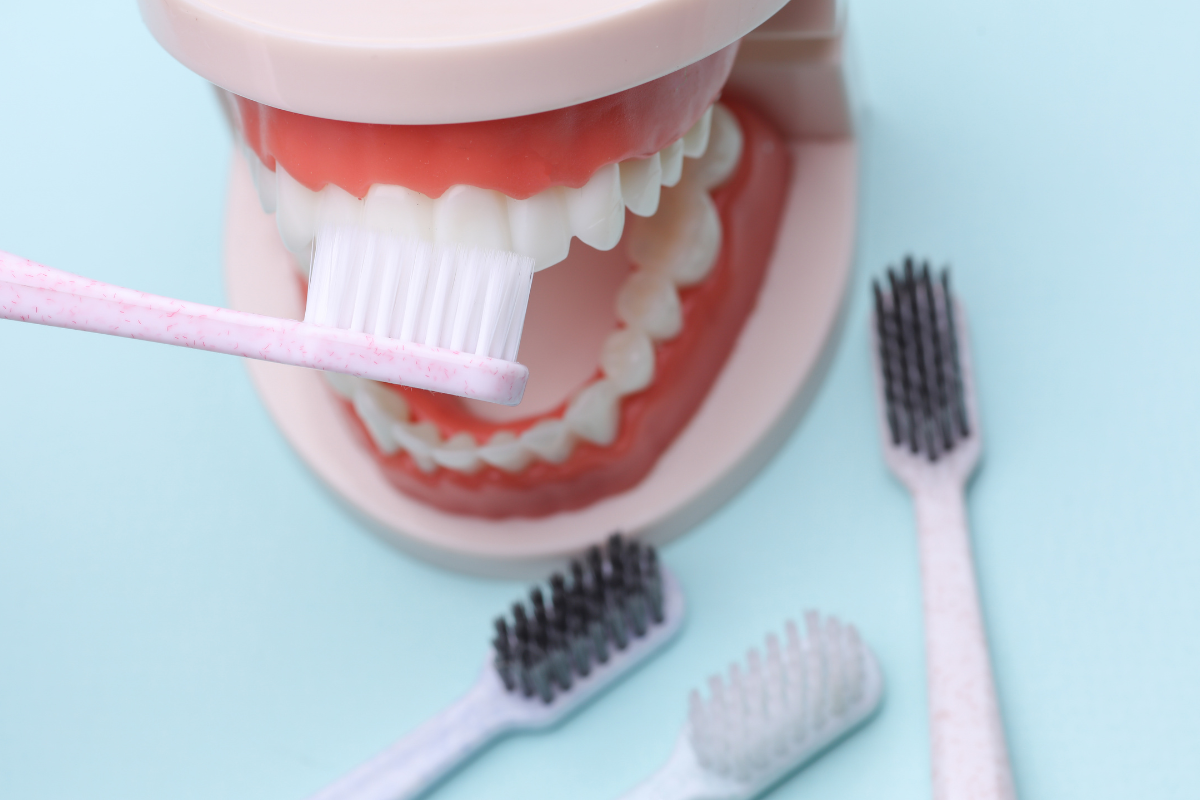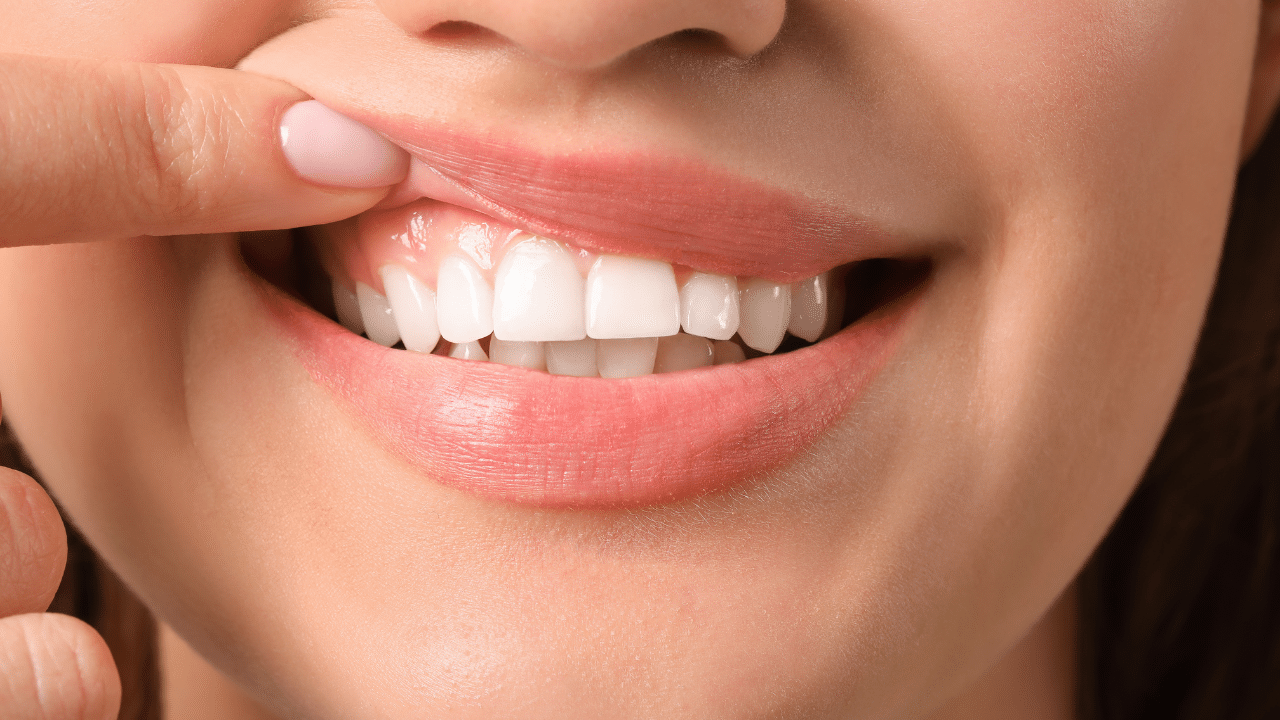

Moms spend most of the year taking care of everyone else first, so Mother’s Day is a good excuse to put your own health back on the list too. That includes your teeth, not just a spa day or brunch. A trusted saginaw dentist can care for your whole family at every age and stage, from your toddler’s first tooth to your own gum health checkup, so nobody in the house falls through the cracks.
This guide walks through what healthy teeth and gums look like at each stage of life, with practical steps you can start using today. Think of it as a gift to yourself this Mother’s Day, a little reminder that your own smile deserves the same attention you give everyone else’s. If you have been putting off finding a dentist near me for your own checkup while keeping the kids current on theirs, this is the season to change that.
Baby Teeth: The First Two Years
The first tooth usually shows up somewhere between six and twelve months, though every baby is a little different. Even though baby teeth eventually fall out, they matter a great deal in the meantime. They hold space for adult teeth, guide the jaw as it grows, and help your child chew food and learn to speak clearly. The American Academy of Pediatric Dentistry recommends a first dental visit by age one, or within six months of the first tooth coming in. That early visit is less about treatment and more about getting your child comfortable in the chair.
Wipe your baby’s gums with a soft, damp cloth before teeth appear, then switch to a tiny, soft-bristled brush once the first tooth breaks through. Use just a smear of fluoride toothpaste, about the size of a grain of rice, until your child is old enough to spit instead of swallow. Skip the bottle at bedtime filled with juice or milk, since sugar sitting on new teeth overnight is one of the fastest paths to early decay.
School-Age Kids: Building Habits That Stick
Once your child starts losing baby teeth, usually around age six, permanent teeth begin arriving one by one. This stretch of childhood is where habits get locked in for good. Teach your child to brush twice a day for two full minutes and to floss once daily, even if it feels like a battle some nights. A timer or a favorite song can help make the two minutes feel shorter.
Sealants placed on the back molars act like little raincoats for the deep grooves where cavities love to hide, and they are one of the most cost effective ways to prevent decay in this age group. Ask about fluoride treatments too, since kids this age are still learning to spit out toothpaste instead of swallowing it. Our saginaw dentist can track your growth patterns, monitor how permanent teeth are coming in, and catch bite problems early, well before they turn into bigger and more expensive orthodontic needs later on.
Snacks matter too. Sticky candy and sugary juice boxes cling to teeth far longer than cheese or nuts, so packing water instead of juice is a small change that adds up.
Teen Years: Braces, Sports, and Independence
Teenagers face their own set of challenges as they take more ownership of their own routines. Many get braces or clear aligners during this stage, which means extra care around brackets and wires where food gets trapped easily. A water flosser can make cleaning around braces far less frustrating than string floss alone. If your teen plays contact sports, a custom mouth guard protects against chipped or knocked-out teeth far better than the generic store-bought kind.
Wisdom teeth also start making their presence known in the late teen years, sometimes with mild discomfort and sometimes with no symptoms at all. Your dentist will keep an eye on their position with regular checkups and x-rays, and only recommend removal when there is a real reason to. A family saginaw dentist your teen already knows and trusts tends to get more honest answers out of them than a brand new office would. Energy drinks and sports drinks are rough on enamel because of their acidity and sugar content, so plain water should stay the default choice on and off the field.
Pregnancy and Postpartum Oral Health
Pregnancy hormones can make gums more sensitive and prone to bleeding, a condition often called pregnancy gingivitis. Research shared by the American Dental Association links poor gum health during pregnancy to a higher risk of preterm birth, so dental visits should never be skipped just because you are expecting.
Morning sickness can also coat teeth in stomach acid, so it helps to rinse with plain water rather than brushing right away, since brushing too soon can wear down softened enamel. Routine cleanings and most dental treatments are considered safe throughout pregnancy, and postpartum exhaustion is exactly when it becomes easy to let appointments slide while focused on a newborn. Keeping one dental visit on the calendar during this window is an easy health box to check off a very long list.
Midlife and Beyond: Protecting Gums for the Long Run
As women move through their 40s, 50s, and beyond, gum disease risk climbs steadily, often without any obvious warning signs. Hormonal shifts during menopause can lead to dry mouth, changes in taste, and bone density changes that affect the jaw and the teeth it supports. Many women in this stage look for an office the whole neighborhood already trusts, since a long relationship with one practice makes it easier to notice small changes year over year. This is the stage where regular cleanings and gum measurements matter most, since gum disease often causes little to no pain until it is already fairly advanced.
Searching for a dentist near me who takes time to explain gum health at every visit, not just clean teeth and send you on your way, makes a real difference for long-term outcomes. Bone loss around the teeth is much easier to slow down than reverse, so catching early signs during a routine visit beats waiting for a problem to announce itself. Staying on top of checkups now protects against tooth loss and gum recession later in life.
Building a Simple Family Routine
None of this has to be complicated. A strong family routine usually comes down to a handful of repeatable habits: brushing twice daily, flossing once a day, drinking water instead of sugary drinks most of the time, and keeping regular checkups on the calendar for every family member, not just the kids. One shared family calendar for dental visits helps avoid the common problem of a child’s appointment sneaking up on a busy week, and it keeps everyone, from toddlers to grandparents, on the same steady rhythm.
Oral Health Needs by Life Stage
| Life Stage | Main Focus | Recommended Visit Frequency |
| Infants (0-2) | First checkup, gentle cleaning, fluoride guidance | By first birthday |
| Children (6-12) | Sealants, fluoride, cavity prevention | Every 6 months |
| Teens (13-19) | Braces care, mouth guards, wisdom teeth | Every 6 months |
| Pregnancy | Gum health monitoring, gentle cleanings | As recommended, no gaps |
| Midlife (40+) | Gum disease screening, bone health | Every 6 months |
Meet Our Dentists
Dr. Curtis E. Smith grew up in Saginaw and returned home after earning his dental degree from the University of Detroit Mercy School of Dentistry in 2001. He treats everything from restorative work to cosmetic and emergency care, and has served on the boards of both the Saginaw Valley District Dental Society and the Saginaw County Dental Society. He has also volunteered on dental mission trips around the world and mentors dental students through the University of Michigan’s Victors For Veterans program.
Dr. Molly McKenzie is a graduate of the University of Michigan School of Dentistry, where she trained across general dentistry, periodontics, oral surgery, and pediatrics. She is a member of the American Dental Association and the Michigan Dental Association, and has volunteered with underserved patients both locally and abroad. Dr. McKenzie focuses on building lasting relationships with families and connecting oral health to overall wellness.
Our Patients Review
Reviews from real families often say more than any marketing page could, especially for parents trying to decide where to bring a nervous child for the first time.
“My son had to have a filling and was very nervous when we came in. The hygienist and Dr. Smith were both very patient with him and talked him through everything. He felt much better and was able to relax while they did the procedure.”
★★★★★ — (Corey. L)
Stories like this show the kind of patient, kid-friendly approach that shapes how the whole team handles nervous young patients and worried parents alike.
Frequently Asked Questions
1. At what age should my child have their first dental visit?
By their first birthday, or within six months of the first tooth coming in, whichever comes first.
2. Is it safe to get dental work done while pregnant?
Yes. Routine cleanings and most treatments are considered safe throughout pregnancy, and skipping care can raise other health risks.
3. How often should my family come in for cleanings?
Most people do well with a checkup every six months, though some kids and adults with gum concerns may need more frequent visits.
4. What are sealants and does my child need them?
Sealants are thin coatings placed on back teeth to block cavities from forming in deep grooves. They work well for most school-age kids.
5. Why do my gums bleed more during pregnancy?
Hormone changes increase blood flow to gum tissue, making it more sensitive and prone to bleeding, even with gentle brushing.
6. Do I really need a mouth guard for my teen athlete?
Yes. A custom-fitted guard protects against chipped, cracked, or knocked-out teeth far better than a generic store-bought one.
7. What changes in oral health should I expect after 40?
Gum disease risk rises, and hormonal shifts around menopause can cause dry mouth. Regular gum measurements catch problems early.
8. How do I know if my child’s wisdom teeth need to come out?
Your dentist will track their position with checkups and x-rays through the teen years and recommend removal only if there is a real concern.
Give Yourself the Gift of a Healthy Smile This Mother’s Day
Every stage of life brings its own oral health needs, and having one trusted office that understands your whole family makes it simpler to stay on track. Whether you are bringing in a toddler for their very first visit, managing a teenager’s braces, or finally booking your own gum health checkup, the goal is the same steady, preventive care at every step. This Mother’s Day, consider giving yourself the appointment you have been putting off.
If you have been searching for a saginaw dentist the whole family can stick with, or typing dentist near me into your phone during a quiet moment, now is a good time to get back on the calendar. Reach out to us directly and schedule your family’s next appointment.