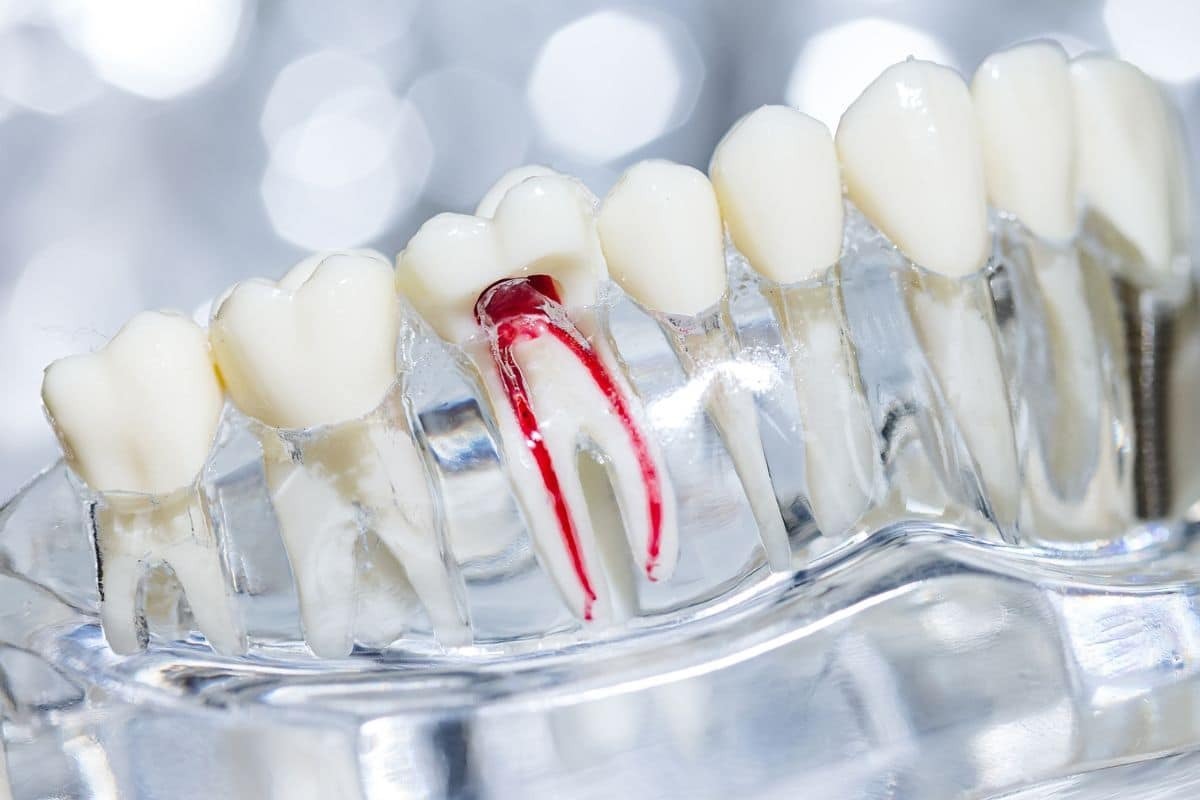

Root canal therapy is a common dental procedure used to treat infections or damage within the tooth’s pulp, which is the innermost part of the tooth. This procedure helps save the tooth and prevent further complications, such as abscesses or tooth loss. While root canal therapy has a reputation for being uncomfortable, advancements in dental technology have made it a relatively painless and straightforward procedure.
After undergoing root canal therapy, it’s essential to take proper care of your mouth to ensure a smooth and speedy recovery. In this blog, we’ll discuss some practical tips to help you recover after the procedure and maintain your oral health.
What to Expect After Root Canal Therapy
Before diving into recovery tips, it’s important to understand what to expect after root canal therapy. The procedure typically involves removing the infected or damaged pulp, cleaning and disinfecting the inside of the tooth, and then sealing it with a filling or crown. This process can cause some discomfort or sensitivity in the treated area, but this is usually temporary.
After the procedure, your will be provide with specific instructions on how to care for your mouth. Following these instructions is crucial for a successful recovery and to avoid complications.
Tips for a Smooth Recovery
1. Follow Your Dentist’s Instructions
The most crucial step in your recovery is to follow your dentist’s post-procedure instructions. These instructions may include how to care for the treated tooth, medication recommendations, and dietary restrictions. Adhering to these guidelines will help minimize discomfort and promote healing.
2. Manage Discomfort
It’s normal to experience some discomfort or mild pain after root canal therapy. Over-the-counter pain relievers, such as ibuprofen or acetaminophen, can help manage this discomfort. Be sure to take any prescribed medications as directed by your dentist.
3. Avoid Chewing on the Treated Tooth
After the procedure, the treated tooth may be more sensitive or fragile. Avoid chewing on that side of your mouth until your dentist gives you the all-clear. This precaution helps prevent any damage to the tooth before it is fully healed and restored with a crown or permanent filling.
4. Maintain Good Oral Hygiene
Keeping your mouth clean is essential for recovery and preventing further infection. Brush your teeth gently but thoroughly, and avoid the treated area if it’s sensitive. Continue to floss daily, being careful around the treated tooth. Your dentist may recommend a specific type of mouthwash to help keep the area clean.
5. Watch Your Diet
In the days following your root canal therapy, stick to soft foods that don’t require much chewing. Avoid hard, crunchy, or sticky foods that could irritate the treated area or dislodge any temporary fillings. Opt for foods like yogurt, mashed potatoes, smoothies, and soups, gradually reintroducing more solid foods as you feel comfortable.
6. Stay Hydrated
Drinking plenty of water helps keep your mouth clean and promotes healing. Avoid sugary or acidic drinks, which can irritate the treated area and contribute to tooth decay.
7. Avoid Smoking and Alcohol
Smoking and alcohol can slow the healing process and increase the risk of complications. It’s best to avoid these substances while recovering from root canal therapy.
8. Rest and Take It Easy
Give your body time to heal by getting plenty of rest. Avoid strenuous activities for the first few days after the procedure. This will help your body focus on recovery and reduce the risk of complications.
When to Contact Your Dentist
While mild discomfort is normal after root canal therapy, certain symptoms may indicate a problem. Contact your local dentist if you experience:
- Severe pain that doesn’t improve with over-the-counter pain relievers
- Swelling inside or outside the mouth
- Persistent or worsening symptoms
- A reaction to prescribed medications
- Signs of infection, such as fever or pus
These symptoms could indicate complications, such as an infection or an issue with the treatment. Your dental professional can assess the situation and provide appropriate care.
Long-Term Care After Root Canal Therapy
Root canal therapy is a highly effective way to save a damaged or infected tooth. However, proper long-term care is crucial to maintaining the health and function of the treated tooth. Once your tooth has healed, your dentist may recommend placing a crown on the tooth to protect it from future damage and restore its full function.
In addition to the tips mentioned above, maintaining regular dental check-ups is essential for monitoring the health of your teeth and gums. Your dentist can identify any potential issues early and provide preventive care to keep your smile healthy.
Your Path to Recovery
Recovering from root canal therapy involves a combination of proper care, following your dentist’s instructions, and making mindful choices about your oral health. By taking these steps, you can ensure a smooth recovery and enjoy the benefits of a healthy, pain-free smile.
At Smith Family Dentistry, we are committed to providing personalized and compassionate care to help you achieve optimal oral health. If you have any questions or concerns about your recovery after root canal therapy, don’t hesitate to contact us. Our team is here to support you every step of the way and ensure that your dental experience is as comfortable and stress-free as possible. Contact us today to schedule your next appointment and take the first step toward a healthier smile.
Also Read: Does Tooth Decay Cause Bad Breath?