Your mouth tells a story. Every bite, every smile, every “ouch” when you drink something cold points to something going on beneath the surface. Most people wait until pain shows up before they think about their teeth. By then, a small problem has often turned into a bigger one.
The good news is that almost every common dental issue can be caught early and treated with the right care. Here is a look at the problems dentists see most often, and how working with a trusted dental team can keep your smile strong for years to come.
Why Small Problems Turn Into Big Ones
Teeth wear down slowly. Plaque builds up quietly. Gums pull back without you noticing at first. This is why waiting for pain is a risky plan. At Smith Family Dentistry, our dentist in saginaw is trained to spot early warning signs that can stop a problem while it is still small and simple to fix. This is also why people search for a dentist near me the moment something feels off, rather than waiting weeks for it to pass on its own.
The Dental Problems People Deal With Most
Tooth Decay And Cavities
Cavities form when sugar and food particles feed the bacteria living on your teeth. Over time, this creates small holes in the enamel. Left alone, decay can reach the inner nerve of the tooth and cause real pain. A filling done early is quick and simple. A cavity ignored for months can turn into a root canal.
Gum Disease
Gum disease starts quietly with red or puffy gums that bleed when you brush. This early stage is called gingivitis, and it is fully reversible with better home care and a professional cleaning. If it moves past that point, it becomes periodontitis, which can loosen teeth and damage the bone that holds them in place.
Tooth Sensitivity
Sharp pain from hot coffee or cold ice cream is more than an annoyance. It often means enamel has worn thin or a gum line has pulled back, exposing softer parts of the tooth. Sensitivity can also point to a small crack or a cavity starting to form.
Cracked Or Broken Teeth
Chewing ice, grinding your teeth at night, or a hard fall can crack a tooth. Some cracks are painless and easy to miss until they cause a bigger break. Others cause sharp pain when you bite down. Either way, a cracked tooth needs attention before it splits further.
Bad Breath That Will Not Go Away
Bad breath that sticks around even after brushing is often a sign of something deeper, like gum disease, a cavity, or dry mouth. Mouthwash covers the smell for an hour. It does not fix the cause.
Missing Or Damaged Teeth
Whether from decay, injury, or age, a missing tooth changes how you chew and can shift the teeth around it out of place over time. Options like crowns, bridges, and implants exist to fill that gap and protect the rest of your bite.
Dental Problems At A Glance
| Problem | Common Signs | Typical Treatment |
| Cavities | Visible holes, pain when chewing | Dental filling |
| Gingivitis | Bleeding, swollen gums | Professional cleaning, better brushing habits |
| Periodontitis | Loose teeth, receding gums | Deep cleaning, ongoing care |
| Tooth sensitivity | Pain from hot or cold foods | Fluoride treatment, filling, or crown |
| Cracked tooth | Pain when biting, visible line | Bonding, crown, or root canal |
| Missing tooth | Gap, shifting teeth | Bridge, denture, or implant |
How A Dentist Can Help You
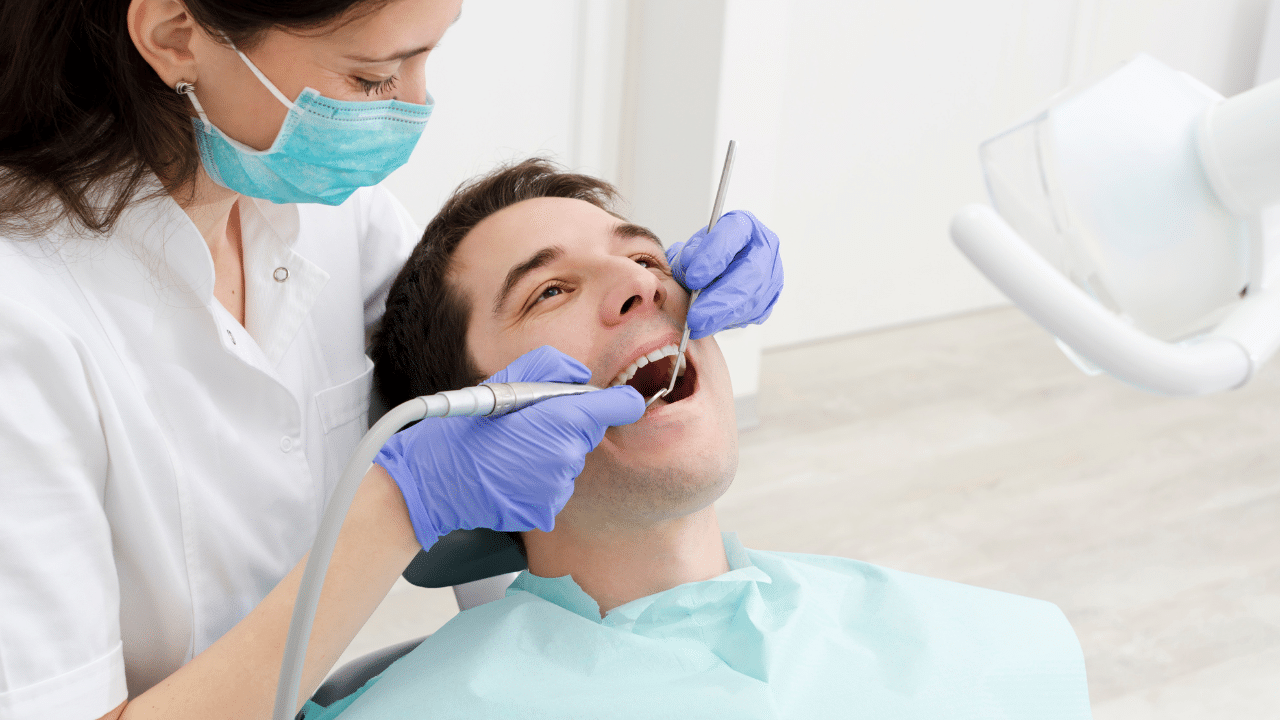
A dentist does more than fix problems after they start. Regular dental care means checkups every six months, cleanings that remove buildup your toothbrush cannot reach, and X-rays that catch decay before it causes pain. This kind of steady, preventive attention is the single biggest factor in keeping a healthy smile for life, according to guidance from the American Dental Association.
Beyond prevention, a good dentist listens. They explain what they see in plain language, walk you through your options, and build a treatment plan that fits your comfort level and your budget. Whether you need a simple cleaning or something more involved like a crown or root canal, having a team you trust makes the whole process easier.
Know Our Dentists
Dr. Curtis E. Smith
Dr. Curt Smith graduated from the University of Detroit Mercy School of Dentistry in 2001 and returned to his hometown of Saginaw to build his career. He enjoys every part of dentistry, from restorative work to cosmetic cases to emergency visits, and takes pride in building real relationships with his patients. He has served on the board of both the Saginaw Valley District Dental Society and the Saginaw County Dental Society, and he has taken part in numerous dental mission trips around the world. He also mentors dental students through the University of Michigan’s Victors For Veterans program.
Dr. Molly McKenzie
Dr. Molly McKenzie graduated from the University of Michigan School of Dentistry in 2025, where she explored general dentistry, periodontics, oral surgery, and pediatric care. She is a member of the American Dental Association and the Michigan Dental Association. Dr. McKenzie has worked with underserved patients across Michigan and has volunteered her skills abroad as well. She believes strongly in the link between oral health and overall health, and she works to make every visit feel comfortable and welcoming, especially for patients who feel nervous about the dentist.
Together, Dr. Smith and Dr. McKenzie lead a team focused on care that fits your life, not the other way around.
Serving Saginaw And The Surrounding Community
Smith Family Dentistry has served patients in Saginaw, Michigan for years, building a practice rooted in this community rather than a chain built somewhere else. Being a local Saginaw dentist means understanding the families here, working around school schedules, and being the office people call first when a toothache hits on a Tuesday morning. Choosing our dentist in saginaw who already knows your neighborhood, rather than a name picked at random online, tends to make every visit feel a little more personal.
Frequently Asked Questions
1. How often should I visit the dentist?
Most people should go twice a year for a checkup and cleaning, though some with gum disease or other issues may need to come more often.
2. Does a cavity always need a filling right away?
Yes, once decay has formed a hole, it will not heal on its own and needs to be filled before it grows deeper.
3. Why do my gums bleed when I brush?
Bleeding gums usually mean plaque has built up along the gum line and irritation has set in. A cleaning and better brushing habits often clear this up.
4. Is tooth sensitivity something to worry about?
It can point to worn enamel, a cavity, or a small crack, so it is worth having checked rather than just avoiding cold drinks.
5. What happens if I ignore a cracked tooth?
The crack can spread deeper into the tooth, sometimes reaching the nerve, which turns a simple fix into a more involved treatment.
6. Are dental X-rays safe?
Yes, modern digital X-rays use very low levels of radiation and are considered safe for both children and adults when taken as recommended.
7. What is the best way to fix a missing tooth?
It depends on your mouth and your goals. A bridge, a denture, or an implant can all work well, and your dentist can walk you through the trade-offs.
8. Can children see the same dentist as adults?
Yes, many family dental offices care for patients of all ages, which makes it easier to schedule the whole family together.
Take The First Step Toward A Healthier Smile
Dental problems rarely get better on their own, but they are almost always easier to treat when caught early. If it has been a while since your last cleaning, or something has been bothering you, do not wait for it to get worse.
Smith Family Dentistry is located at 4196 State St, Saginaw, MI 48603, and our dentist saginaw team is ready to help with everything from routine cleanings to more involved care. Call us at (989) 799-5850 and request an appointment and see what a comfortable, local dental visit feels like.