Oral Cancer Awareness

Oral Cancer Awareness
Let’s talk about something important: your smile. It’s a window to your health, a source of confidence, and let’s be honest, it makes you look good! But just like any other part of your body, your mouth needs some TLC to stay healthy. That’s why oral cancer awareness is so important. Oral cancer is a general term for cancer that
Let’s talk about something important: your smile. It’s a window to your health, a source of confidence, and let’s be honest, it makes you look good! But just like any other part of your body, your mouth needs some TLC to stay healthy. That’s why oral cancer awareness is so important.
Oral cancer is a general term for cancer that develops anywhere in your mouth, including the lips, tongue, cheeks, gums, throat, and even the roof and floor of your mouth. While it’s not the most common type of cancer, it’s crucial to be aware of the risk factors, warning signs, and most importantly, how to get diagnosed and treated effectively.
Risk Factors: Unveiling the Culprits
There are several factors that can increase your risk of developing oral cancer. Here are some of the biggest players:
Tobacco Use: This includes cigarettes, cigars, chewing tobacco, and even snuff. No matter how you slice it, tobacco use is a major risk factor. It irritates the delicate tissues in your mouth, making them more susceptible to damage and cancer development.
Heavy Alcohol Consumption: Excessive alcohol intake weakens your immune system, making it harder for your body to fight off infections and potential cancer cells.
HPV Infection: The human papillomavirus (HPV), the same virus that causes cervical cancer, has also been linked to some types of oral cancer, particularly oropharyngeal cancer (cancer of the back of the throat).
Sun Exposure: Yep, you read that right! Excessive sun exposure to the lips can increase your risk of lip cancer. So, don’t forget the sunscreen – even for your lips!
Other Factors: A weakened immune system due to chronic illness or medications, a diet low in fruits and vegetables, and a family history of oral cancer can also play a role.
Warning Signs: Don’t Ignore These Signals
The good news is that oral cancer is often treatable, especially when caught early. So, it’s important to be aware of the warning signs:
- A Mouth Sore That Doesn’t Heal: If you have a sore in your mouth that doesn’t go away after a few weeks, get it checked by a dentist or doctor. Cancerous sores typically won’t heal on their own.
- Lumps or Bumps in Your Mouth or Neck: These could be a sign of cancerous tumors. Early detection is crucial, so don’t hesitate to get these checked out by a professional.
- White or Red Patches on Your Gums, Tongue, or Inside Your Cheeks: These patches can sometimes be precancerous, so it’s best to have them looked at by a dentist or doctor. Early intervention can prevent them from developing into cancer.
- Difficulty Chewing, Swallowing, or Speaking: These issues can be caused by oral cancer, so don’t ignore them. Early diagnosis can lead to treatment options that preserve these functions.
- Numbness in Your Mouth or Tongue: This can be another potential sign of oral cancer, particularly in the later stages.
This list isn’t exhaustive, and any unusual changes in your mouth warrant a visit to your dentist or doctor. Early detection is key for successful treatment.
Diagnosis: Getting the Answers You Need
If you experience any of the warning signs, your dentist or doctor will likely perform a physical exam of your mouth and may recommend further tests. Here’s what you might encounter:
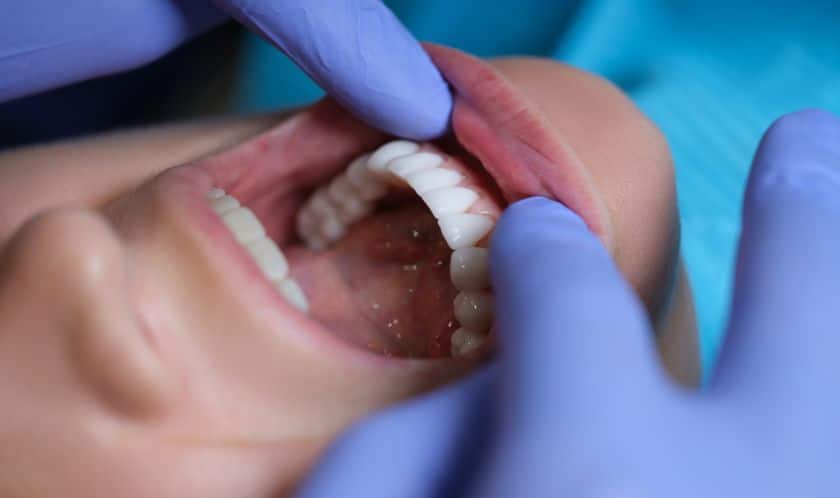
- Oral Exam: Your dentist or doctor will visually examine your mouth, feeling for lumps or bumps and checking for any suspicious lesions.
- Biopsy: If any areas of concern are identified, a small tissue sample might be taken (biopsy) for further examination under a microscope to determine if it’s cancerous.
- Imaging Tests: Depending on the situation, imaging tests like X-rays, CT scans, or MRIs might be used to assess the extent of the cancer, if present.
Treatment Options: Taking Back Control
The good news is that oral cancer has several treatment options available, and the specific approach will depend on the stage and location of the cancer. Here are some possibilities:
- Surgery: This is a common treatment option, especially for early-stage cancers. The goal is to remove the cancerous tissue and a margin of healthy tissue around it to ensure complete removal.
- Radiation Therapy: High-energy X-rays are used to target and destroy cancer cells. Radiation therapy can be used alone or in combination with surgery.
- Chemotherapy: This treatment uses powerful medications to kill cancer cells throughout the body. It’s often used in conjunction with other therapies for more advanced cancers.
- Targeted Therapy: This newer approach uses drugs that specifically target the vulnerabilities of cancer cells, often with fewer side effects than traditional chemotherapy.
- Reconstructive Surgery: After surgery to remove cancerous tissue, reconstructive surgery can help restore the function and appearance of your mouth and face.
The Road to Recovery: Support and Aftercare
Following treatment, you can expect to experience some side effects depending on the type and intensity of treatment you received. Your doctor or dentist will provide guidance on managing these side effects and navigating this period of recovery.
Support groups can also be incredibly helpful during and after treatment. Connecting with others who understand what you’re going through can provide invaluable emotional support and a sense of community.
The Power of Prevention
While there’s no guaranteed way to prevent oral cancer entirely, you can significantly reduce your risk by adopting healthy habits:
- Kick the Tobacco Habit: If you use tobacco products, quitting is the single biggest step you can take to reduce your risk of oral cancer. Talk to your doctor about resources and support groups to help you quit.
- Drink Alcohol in Moderation: Limiting your alcohol intake can help lower your risk of oral cancer.
- Get Regular Dental Checkups: Schedule regular checkups with your dentist, and don’t be shy about voicing any concerns you have. Early detection is crucial for successful treatment.
- Protect Your Lips from the Sun: Use a lip balm with SPF to shield your lips from harmful UV rays.
- Eat a Healthy Diet: Fill your plate with plenty of fruits and vegetables for essential vitamins and minerals that support overall health.
- The HPV Vaccine: For younger individuals, the HPV vaccine can help prevent infection with strains linked to some types of oral cancer.
Taking Charge of Your Oral Health
Oral cancer is a serious topic, but it doesn’t have to be scary. By being aware of the risk factors, knowing the warning signs, and prioritizing healthy habits, you can significantly reduce your risk. Most importantly, don’t hesitate to seek professional help if you experience any concerning symptoms. Early detection is key to successful treatment and getting you back to enjoying your healthy smile.
Together, let’s promote oral cancer awareness and prioritize a healthy mouth for a happy life!