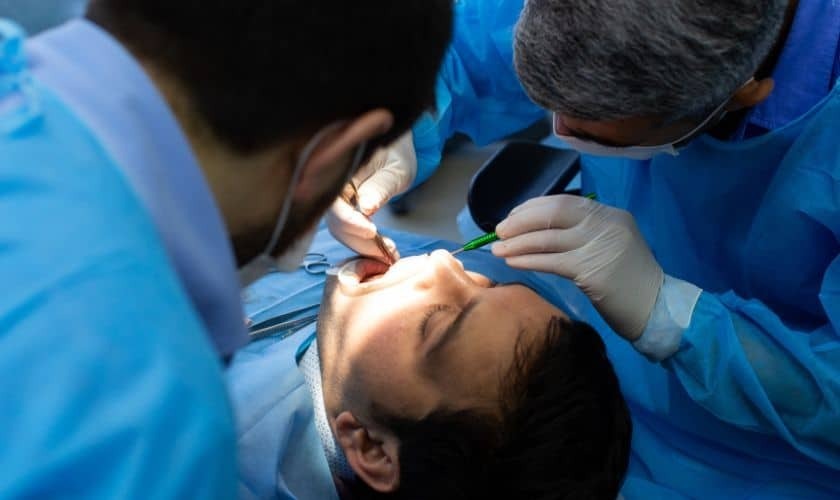

Oral surgery often conjures images of complex procedures, but understanding its common practices and expectations can demystify the process. In this comprehensive guide, we’ll delve into various oral surgery procedures, shedding light on their purpose, the conditions they address, and what patients can anticipate during and after these interventions.
Oral surgery, with its array of procedures and interventions, often emerges as a realm shrouded in uncertainty. This guide aims to unravel the intricacies of oral surgery, exploring common procedures and addressing the pivotal question: What can one expect before, during, and after oral surgery? From routine extractions to transformative jaw surgeries, join us on a comprehensive journey through the world of oral surgery, empowering you with knowledge and insights to navigate the path to enhanced oral health and well-being.
1. Overview of Oral Surgery
Definition and Scope
Oral surgery encompasses a range of procedures that address issues affecting the mouth, jaw, and facial regions. From routine extractions to complex reconstructive surgeries, the field plays a crucial role in both functional and aesthetic aspects of oral health.
When Oral Surgery is Necessary
Common reasons for oral surgery include tooth extractions, wisdom teeth removal, corrective jaw surgeries, dental implants, and treatment of oral diseases. Understanding when oral surgery is necessary is vital for proactive oral health management.
2. Common Oral Surgery Procedures
Tooth Extractions
Routine tooth extractions are among the most common oral surgeries. Whether due to severe decay, impaction, or overcrowding, extractions are performed to alleviate pain, prevent infection, and maintain overall oral health.
Wisdom Teeth Removal
Wisdom teeth often cause complications, including impaction and crowding. Removal is a preventive measure to avoid issues such as infection, misalignment, and damage to adjacent teeth.
Dental Implant Surgery
Dental implants involve surgically placing artificial tooth roots into the jawbone. This procedure is a long-term solution for replacing missing teeth, providing both aesthetic and functional benefits.
Corrective Jaw Surgery
Corrective jaw surgery, or orthognathic surgery, addresses skeletal and dental irregularities. It can correct issues such as misaligned jaws, improving both function and facial aesthetics.
TMJ (Temporomandibular Joint) Surgery
For severe cases of TMJ disorders, surgical intervention may be necessary. Procedures aim to address joint issues, alleviate pain, and improve jaw function.
3. What to Expect Before Oral Surgery
Consultation and Evaluation
Before any oral surgery, a thorough consultation and evaluation are conducted. This includes a discussion of the patient’s medical history, a physical examination, and often imaging tests to assess the specific oral condition.
Preoperative Instructions
Patients receive preoperative instructions that may include fasting requirements, discontinuation of certain medications, and arrangements for transportation, especially for procedures involving anesthesia.
4. During Oral Surgery
4.1. Anesthesia Administration
The type of anesthesia administered depends on the complexity of the procedure. Options range from local anesthesia for simple extractions to general anesthesia for more involved surgeries.
4.2. Procedure Execution
The surgeon performs the necessary steps outlined in the treatment plan. Whether extracting a tooth, placing dental implants, or realigning the jaw, precision and expertise characterize each surgical step.
5. After Oral Surgery: Recovery and Care
5.1. Immediate Postoperative Period
Until the anesthesia wears off, patients are observed in a recovery area. Post operative instructions, including pain management and care for surgical sites, are provided.
5.2. Managing Discomfort and Swelling
Discomfort and swelling are common after oral surgery. Pain medications and cold compresses are often recommended to manage these symptoms.
5.3. Follow-up Appointments
Follow-up appointments are crucial for monitoring healing progress. Surgeons may remove stitches, evaluate recovery, and address any concerns or complications.
6. Long-Term Benefits of Oral Surgery
Improved Oral Function
Many oral surgery procedures lead to improved oral function, including better chewing, speaking, and overall jaw mobility.
Enhanced Aesthetics
Procedures like corrective jaw surgery and dental implants contribute to enhanced facial aesthetics and a more pleasing smile.
Understanding oral surgery, its common procedures, and what to expect before, during, and after the intervention empowers individuals facing these procedures. From routine extractions to complex jaw surgeries, each oral surgery plays a crucial role in restoring oral health and function. By demystifying the process, patients can approach oral surgery with confidence, knowing they are taking a proactive step toward optimal oral well-being.