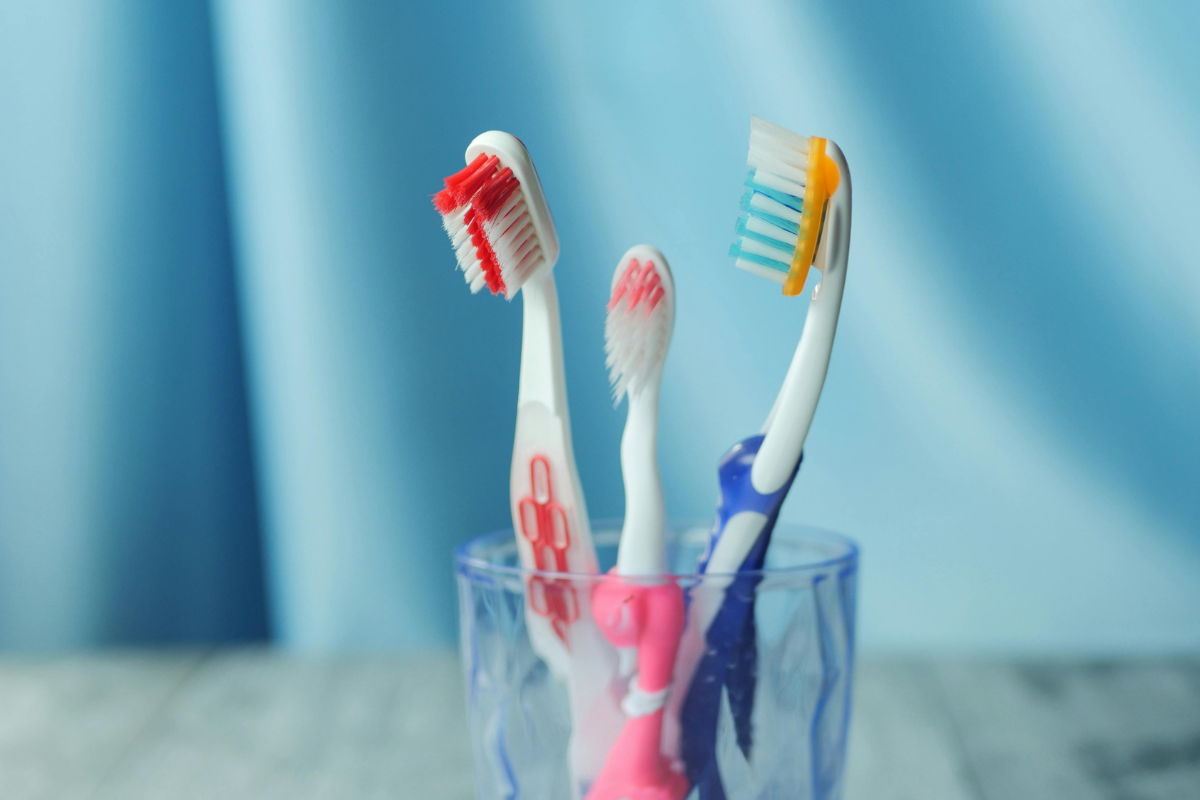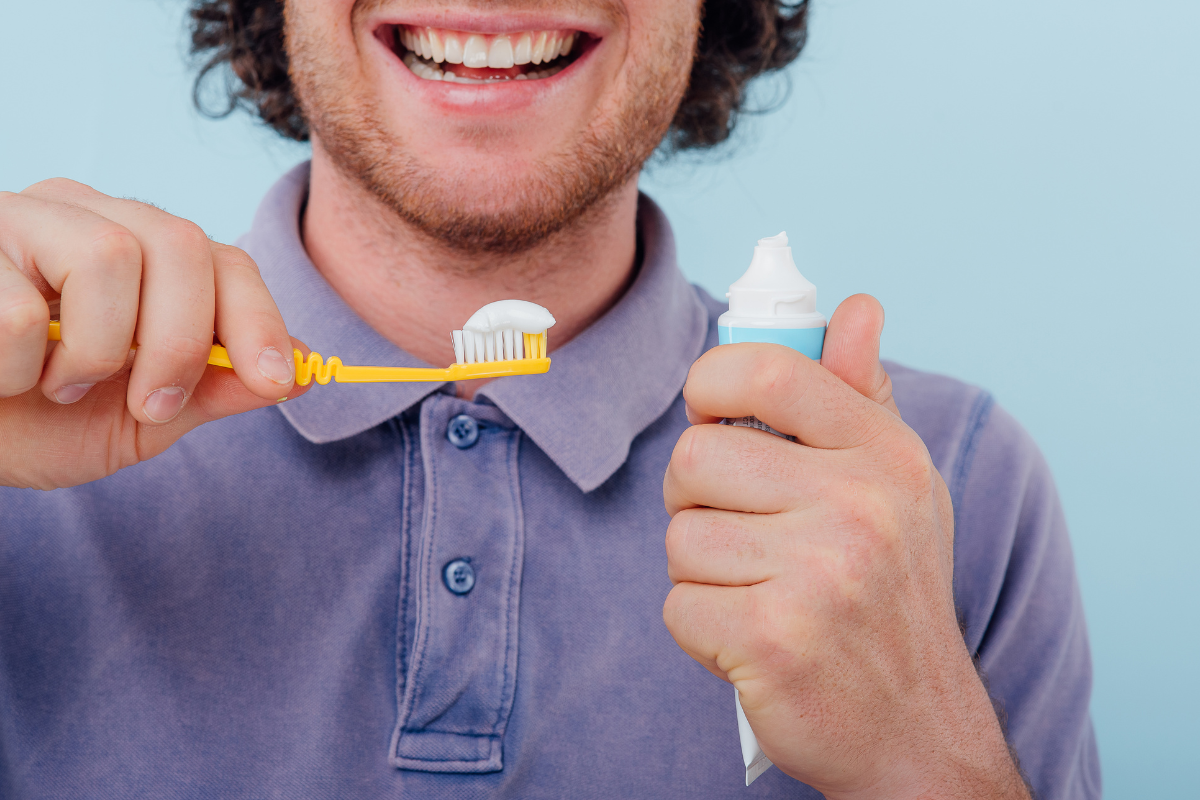
You brush twice a day and use fluoride toothpaste. Even so, your dental team may still find cavities between your teeth, or your gums may bleed when you floss. It feels unfair, but the cause is simple. A toothbrush is too wide to fit into the tight gaps where teeth touch.
This post covers what your brush misses, what that can lead to, and how to pick the right tool to fix it.
Quick answer: Clean between your teeth once a day, before bed if you can. Use floss, a small brush made for gaps, or a water flosser. Daily cleaning there removes plaque your brush cannot reach.
What Your Toothbrush Leaves Behind
Every tooth has five surfaces. A brush handles the front, the back, and the chewing top well. The two sides that touch neighboring teeth stay mostly dirty.
Plaque, the sticky film of bacteria on your teeth, builds up in those tight spaces. If it stays, it can harden into tartar within days. Tartar is firm and rough, and only a dental team can remove it.
Why Those Hidden Spots Matter
The American Dental Association (ADA) advises cleaning between your teeth once a day. The Centers for Disease Control and Prevention (CDC) reports that about 4 in 10 U.S. adults age 30 and older have gum disease. A visit with a dentist in saginaw often starts with one plain question: how often do you clean between your teeth?
When plaque sits in these gaps, two things happen:
- Bacteria make acid that wears down enamel, which causes cavities on the sides of teeth. These are hard to see and often do not hurt until they grow.
- Bacteria irritate the gums. Gums turn red and puffy, then pull away from the teeth. Over time, this can loosen teeth.
Gum health also connects to the rest of your body. The National Institute of Dental and Craniofacial Research (NIDCR) and the American Academy of Periodontology both note links between gum disease and conditions like diabetes and heart disease.
Signs You May Be Missing Spots
Watch for these:
- Gums that bleed when you brush or floss
- Bad breath that returns soon after brushing
- Food that keeps getting stuck in the same place
- Floss that shreds or snags on a tooth edge
- Teeth that feel rough near the gumline
Bleeding is the sign most people ignore. It usually means the gums are inflamed from plaque, not that you are flossing too hard. With daily cleaning, most healthy gums stop bleeding within one to two weeks. If bleeding continues, get it checked.
Choosing the Right Tool
No single tool fits everyone. The best one is the one you will use every day. Here is how the common options compare.
| Tool | Best For | Ease of Use | Things to Know |
| String floss | Tight, even teeth | Medium | Low cost, but takes practice |
| Floss picks | Beginners, kids, back teeth | Easy | Quick, but less control near the gums |
| Between-teeth brushes | Wider gaps, bridges, braces | Easy | Pick the size that slides in with light resistance |
| Water flosser | Braces, implants, limited hand strength | Easy | Rinses well, but does not scrape plaque as firmly as floss |
Look for the ADA Seal of Acceptance on the package. It means the product met the ADA’s safety and effectiveness standards.
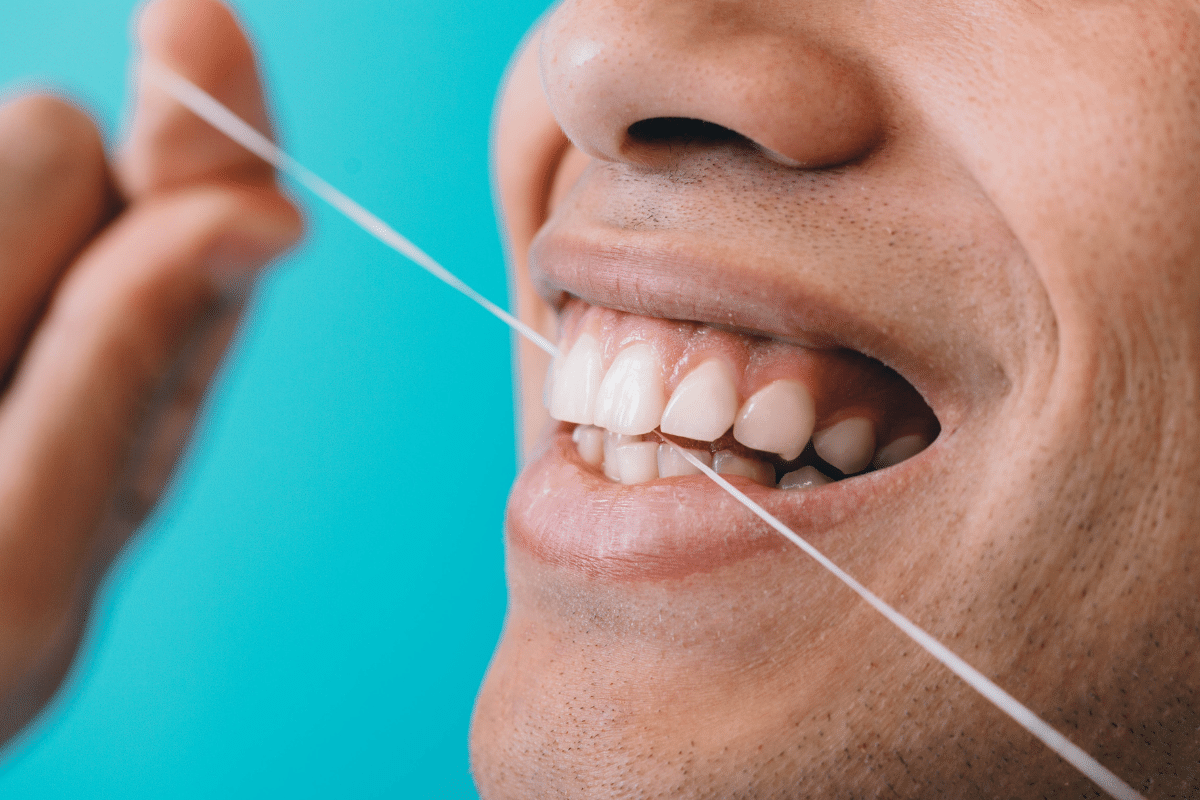
How to Floss So It Works
Many people floss but do it in a way that skips the job. Try these steps:
- Pull out about 18 inches of floss. Wrap most of it around one finger, and the rest around the other.
- Slide the floss gently between two teeth. Do not snap it down onto the gums.
- Curve the floss into a “C” shape against one tooth.
- Move it up and down along the side of the tooth, just under the gumline.
- Repeat on the neighboring tooth, then use a clean section for the next gap.
Go slowly. Two calm minutes beat a rushed thirty seconds.
Helping Kids Build the Habit
Children need help with this until they can tie their own shoes, usually around age 8 to 10. Floss picks work well for small hands. Make it a quick bedtime step you do together. If your child’s back teeth have deep grooves, ask about sealants, which add a thin shield on chewing surfaces.
Fitting It Into a Busy Saginaw Day
Between work shifts, school runs, and weekend sports, a long routine will not last. Keep it short. Leave floss picks in the car, at your desk, and by the couch. Tie the habit to something you already do, like the last cup of coffee or the nightly news.
For care close to home, a Saginaw dentist can show you the right tool and technique during a routine visit. Smith Family Dentistry is at 4196 State St. Office hours run Monday through Thursday, 7:00 AM to 3:00 PM, which suits early risers and school schedules.
Meet Our Dentists
Good habits at home work best when your dental team checks your progress. Choosing a dentist in Saginaw who explains things clearly makes those checkups easier. Two doctors see patients at Smith Family Dentistry.
Dr. Curtis E. Smith grew up in Saginaw. He earned his DDS from the University of Detroit Mercy School of Dentistry in 2001 and came home to start his career. He treats restorative, cosmetic, and urgent needs, so he sees what happens when plaque stays between teeth for too long. Dr. Smith has served on the boards of the Saginaw Valley District Dental Society and the Saginaw County Dental Society. He also mentors dental students and has joined dental and medical mission trips.
Dr. Molly McKenzie graduated from the University of Michigan School of Dentistry in 2025. Her training covered general dentistry, gum care, oral surgery, and pediatrics. She is a member of the American Dental Association and the Michigan Dental Association. Dr. McKenzie likes to link oral health to overall health, which fits this topic well. She grew up in the Keweenaw Peninsula and has volunteered with underserved patients in Michigan and abroad.
Frequently Asked Questions
1. Is flossing really necessary if I brush well?
Yes. Brushing cleans the outer, inner, and top surfaces. Floss and similar tools clean the sides where teeth touch.
2. When is the best time to clean between my teeth?
Any time works if you do it daily. Many people choose bedtime so plaque does not sit overnight.
3. Should I clean between my teeth before or after brushing?
Either is fine. Doing it first can loosen debris, and fluoride toothpaste then reaches the gaps.
4. Why do my gums bleed when I floss?
Plaque usually irritates the gums. Keep going gently each day. If bleeding lasts past two weeks, see a dentist.
5. Is a water flosser as good as string floss?
It rinses well and helps people with braces or implants. String floss scrapes plaque off tooth sides more firmly, so some people use both.
6. How do I pick the right size of between-teeth brush?
Choose one that slides in with light resistance. If it forces through or feels loose, try another size.
7. Can cleaning between teeth help with bad breath?
Often, yes. Trapped food and plaque cause much of it. Cleaning the gaps removes the source.
8. At what age should kids start?
Start once two teeth touch. An adult should help until the child has the skill to do it alone.
The Takeaway
Your toothbrush does a lot, but it cannot reach the tight spaces between teeth. Cleaning there once a day lowers your risk of cavities and gum trouble. Start with a tool that feels easy, learn the right motion, and stay steady. If you want a professional look at the spots you may be missing, find a dentist in Saginaw who will walk you through it at your pace.
Ready for a checkup and a cleaning? Request an appointment online with Smith Family Dentistry.