You brush your teeth every morning and night. You use fluoride toothpaste. You may even take extra care to brush for the full two minutes.
So, do you really need to floss every day?
Yes.
Brushing is one of the most important parts of good oral care, but it cannot clean every surface of your teeth. A toothbrush mainly cleans the front, back, and chewing surfaces. It cannot reach well into the tight spaces between your teeth.
That is where flossing helps.
For patients looking for a dentist saginaw, daily flossing is one of the simplest habits a dental team may recommend for protecting teeth and gums between visits. The American Dental Association recommends cleaning between your teeth once a day with floss or another interdental cleaner.
What Does Flossing Remove That Brushing Misses?
Think about your teeth as more than separate white surfaces.
Each tooth has sides that touch the teeth next to it. These spaces can trap food and collect plaque, a sticky film made up of bacteria and other material. Toothbrush bristles cannot reach all of these areas. Floss can slide between the teeth and along the gumline. This helps remove plaque and food debris before they remain in place for too long.
The ADA states that interdental cleaning helps remove plaque between teeth and can reduce the chance of gum disease and tooth decay. That is why brushing and flossing work better as a team.
Why Brushing Alone Is Not Enough
Brushing does an excellent job of cleaning many tooth surfaces. It also helps remove plaque and deliver fluoride to the teeth.
But there are limits to what a toothbrush can reach.
Imagine cleaning a room but skipping the narrow spaces between pieces of furniture. Most of the room may look clean, but dirt can still remain in places that are hard to reach.
Your mouth has similar spaces.
If plaque stays between teeth, it can irritate nearby gum tissue. Over time, plaque can also harden into tartar, which cannot be removed with normal brushing and flossing at home.
The CDC recommends brushing twice a day and flossing daily as part of good oral care.
What Can Happen If You Skip Flossing?
Missing flossing once is not likely to cause a major problem.
The concern comes from making it a habit.
When plaque is left between teeth day after day, it can contribute to several common oral health problems.
Gum Irritation
Plaque along and between the teeth can irritate the gums.
You may notice:
- Red or swollen gums
- Tenderness
- Bleeding when brushing or flossing
- A change in gum texture
Bleeding gums should not simply be viewed as a reason to stop flossing. It can be a sign that your gums need better cleaning or that a dental professional should take a closer look.
Tooth Decay Between Teeth
Some cavities begin in areas that are difficult to see.
Food particles and plaque can collect between teeth, creating an environment where decay can develop. Regular interdental cleaning helps remove material from these hard-to-reach areas.
Tartar Buildup
Plaque can harden into tartar when it is not removed.
Once tartar forms, brushing and flossing at home cannot remove it completely. A dental professional needs to remove the hardened buildup during a professional cleaning.
Does Flossing Really Need to Happen Every Day?
For most people, yes.
The ADA recommends cleaning between the teeth once each day. You can floss in the morning, after lunch, or before bed. The best time is the time you can follow consistently.
Many people prefer flossing at night because it gives them a chance to clean away food and plaque before going to sleep.
The key is consistency.
If you often forget, keep floss somewhere you will see it. You can also add flossing to an existing habit, such as brushing your teeth before bed.
How to Floss Without Hurting Your Gums
Flossing should clean your teeth without damaging your gums.
Try these simple steps:
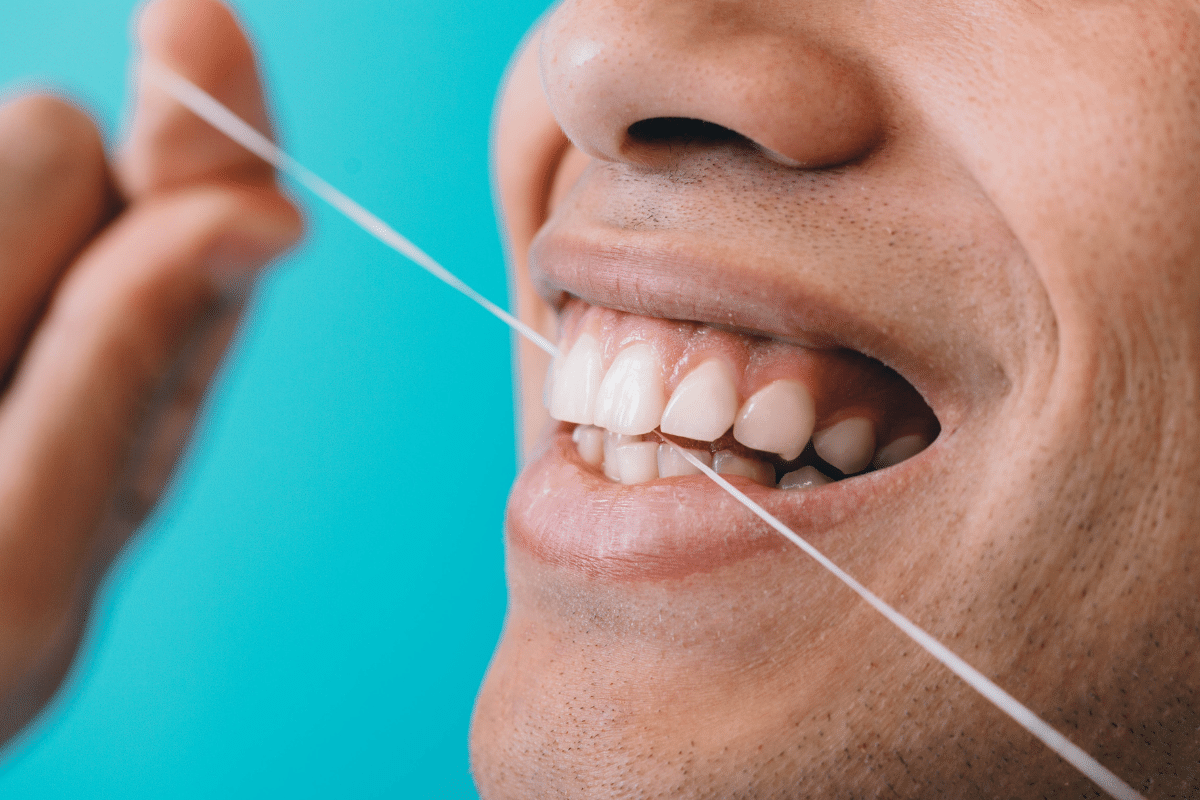
- Use enough floss to give you a clean section for each tooth.
- Gently guide the floss between your teeth.
- Do not snap the floss into your gums.
- Curve the floss around one tooth.
- Move it gently up and down against the tooth.
- Repeat on the neighboring tooth.
- Use a clean section as you move around your mouth.
Gentle technique matters more than force.
If traditional floss is difficult to use, ask your dental professional about other options.
What If Regular Floss Is Hard to Use?
Not everyone’s teeth are shaped the same way.
Some people have very tight spaces. Others have larger spaces, dental bridges, braces, or other dental work that can make regular floss harder to handle.
Interdental brushes and water flossers are among the other tools used to clean between teeth. The ADA notes that the best option can depend on a person’s individual needs and the spaces between their teeth.
A dental professional can show you which method may work best for your mouth.
If you have been searching for a dentist near me because flossing causes bleeding, discomfort, or difficulty, bring up the problem during your visit. You may simply need a different tool or better technique.
Should You Floss Before or After Brushing?
Either can work. The ADA says there is no single required order as long as both steps are done thoroughly. Some people prefer to floss first so loosened food and plaque can be brushed away afterward. Others brush first and floss afterward. Choose the order that helps you stay consistent. The bigger issue is not which step comes first. It is whether you clean between your teeth every day.
A Simple Daily Routine That Works
A healthy oral care routine does not need to be complicated.
Try this basic approach:
| Step | What to Do |
| Morning | Brush for two minutes with fluoride toothpaste |
| During the day | Drink water and limit frequent sugary snacks |
| Evening | Clean between your teeth |
| Before bed | Brush again for two minutes |
| Regularly | Visit your dental office for exams and professional cleanings |
The CDC recommends brushing twice daily, flossing daily, and having regular dental care.
This routine helps address the areas that brushing alone cannot fully reach.
Why Dental Visits Still Matter
Even excellent home care does not replace professional dental visits.
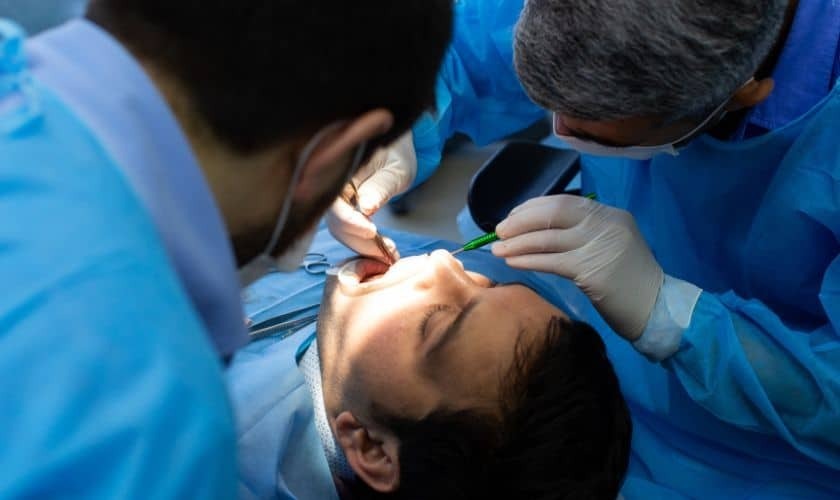
Plaque and tartar can build up in places that are difficult to clean. A dental exam can also find early signs of cavities, gum disease, and other oral health concerns before they become more serious.
Smith Family Dentistry provides routine dental care in Saginaw, including exams and professional cleanings. The practice recommends regular checkups and cleanings as part of preventive care.
If you are comparing options after searching for a dentist near me, look for a practice that can help you understand your personal oral health needs rather than simply telling you to brush more.
Our Patients’ Review
Reviews can give patients a glimpse into how a dental office approaches everyday care.
“The office staff, dental hygienists, and Dr. Smith are wonderful people! I’ve been a patient for years and I’ve never been disappointed once. They consistently give great care and treat us like family. A+”
★★★★★, Wendy.C
This review highlights the consistent care and friendly experience described by a long-term patient. It also reflects why regular dental visits can become an important part of maintaining good oral health.
Read our Google Business Profile review and verify the wording and attribution against the practice’s current Google listing before posting.
Small Habit, Big Difference
Brushing and flossing are not competing habits. They solve different problems.
Brushing cleans the surfaces your toothbrush can reach. Flossing helps clean between your teeth and along areas where plaque can hide. That daily step may take only a few minutes, but it can help support healthier gums and teeth over time. If your gums bleed often, flossing feels painful, or you have trouble cleaning between certain teeth, do not guess at the solution. Talk with your dental team and ask for guidance.
For patients searching for a dentist saginaw, Smith Family Dentistry can help you build a daily care routine based on your individual oral health needs. A professional exam and cleaning can also help identify areas that need more attention. Your toothbrush does a lot of work. Give it some help by cleaning the places it cannot reach.
Frequently Asked Questions
1. How often should I clean between my teeth?
The American Dental Association recommends cleaning between your teeth once each day.
2. Can flossing prevent every cavity?
No. Flossing can help reduce plaque between teeth, but cavities can have several causes. Fluoride, diet, saliva, oral hygiene, and regular dental care also matter.
3. Why do my gums bleed when I floss?
Bleeding can happen when gums are irritated or inflamed. If it continues, speak with your dental professional.
4. Is it better to floss in the morning or at night?
Either time is fine. Choose a time that makes it easier for you to maintain the habit each day.
5. Can I use a water flosser instead?
Water flossers are one option for cleaning between teeth. Ask your dental professional whether one is right for your needs.
6. Should children floss every day?
Children should have their teeth cleaned between the teeth when those surfaces touch. Parents may need to help younger children with the process.
7. Can flossing remove tartar?
No. Floss can remove plaque and food debris, but hardened tartar requires professional cleaning.
8. What if floss gets stuck between my teeth?
Do not force it. Gently work it out and tell your dental professional if the problem happens often.
Take the Next Step
Good oral care starts at home, but professional guidance helps you understand what your own teeth and gums need. If you are due for an exam or cleaning, contact Smith Family Dentistry in Saginaw to schedule an appointment and discuss any concerns about your daily oral care routine.